



Blog
Why Supply Chain Mapping is Important
By: Auras Tanase -
17 March 2026

We love our data, and now that you're here, you're one step closer to loving it too.
A wide sample of data, so you can explore what is possible with our data
Choose ->
built with procurement in mind. Focused on manufacturers, products and more
Choose ->
built with insurance in mind. Focused on classifications, business activity tags and more
Choose ->
built with sustainability in mind. Focused on sustainability commitments, and environmental and social governance insights.
Choose ->
built with strategic insights in mind. Focused on market trends, competitor analysis, and industry-specific data
Choose ->

Keep up to date with our technology, what our clients are doing and get interesting monthly market insights.

Key Takeaways:
Do you think managing and monitoring only your direct vendors is enough for a resilient supply chain?
If so, here’s some bad news.
In an increasingly more fragile world, that just doesn’t cut it anymore.
Issues like disruptions, financial risk, and regulatory exposure hide in the deeper levels of your supply chain.
The good news is, you can make your enterprise resilient with supply chain mapping.
It’s the process of visually mapping out your entire supply chain, from all involved entities and processes in the production and delivery of your product.
In this article, we’ll explore why it’s important to understand where your structural weaknesses and risks lie.
Let’s begin.
Complete visibility into Tier 1 suppliers, without insight into other tiers, is largely meaningless.
Why?
Because each tier depends on another, and they’re all part of the same pyramid, as illustrated below.
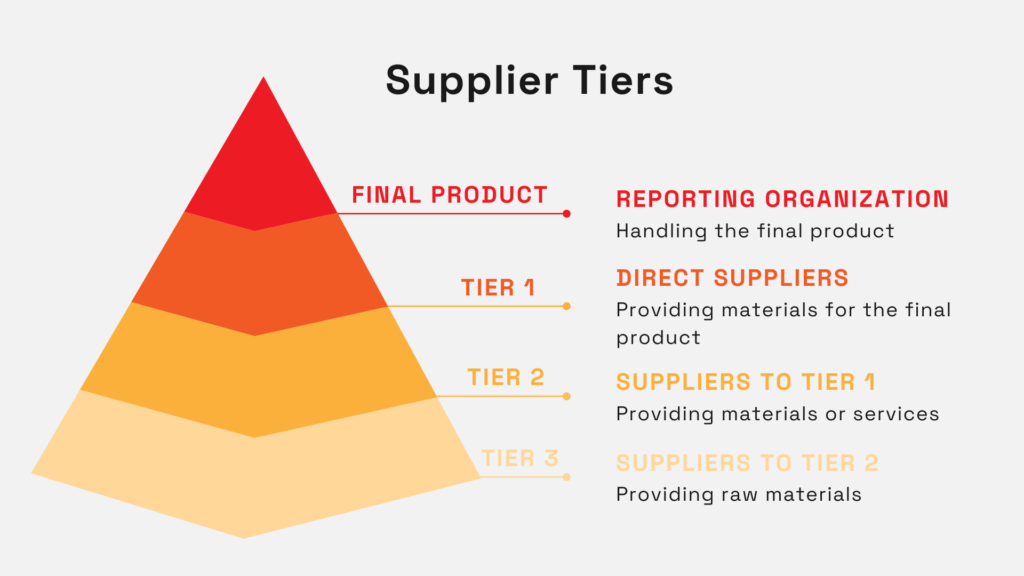
Illustration: Veridion / Data: Fractory
That’s why a disruption several layers upstream can quickly influence other tiers and affect production, even if your Tier 1 supplier appears stable on the surface.
Mapping out your network of providers will quickly give you insight into whether one of your tiers is risk-prone.
For example, this simple supply chain map below shows that several of a company’s Tier 2 suppliers rely on a single Tier 3 supplier.
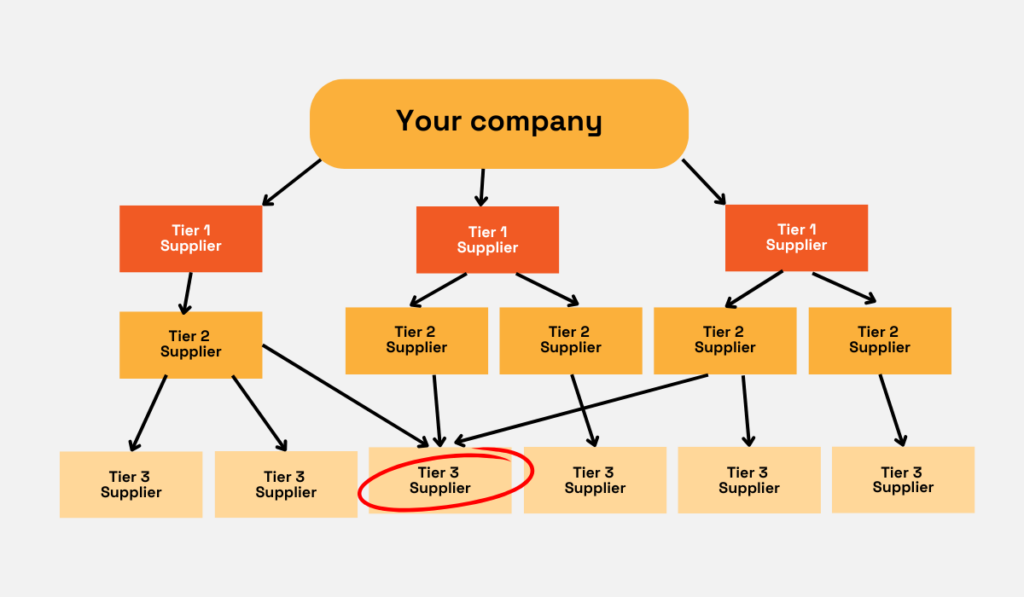
Source: Veridion
When visualising their supplier network like this, a company can take notice of and monitor a risky supplier so they can mitigate potential risk.
Alternatively, if a disruption occurs at this tier level, they can immediately pinpoint the cause and remedy the damage.
Industry research shows how a lack of insight into deeper tiers can be one of the reasons for a disruption.
In their 2024 Supply Chain Resilience Report, BCI reports that 43.6% of organizations experienced supply chain disruption due to third-party failures.
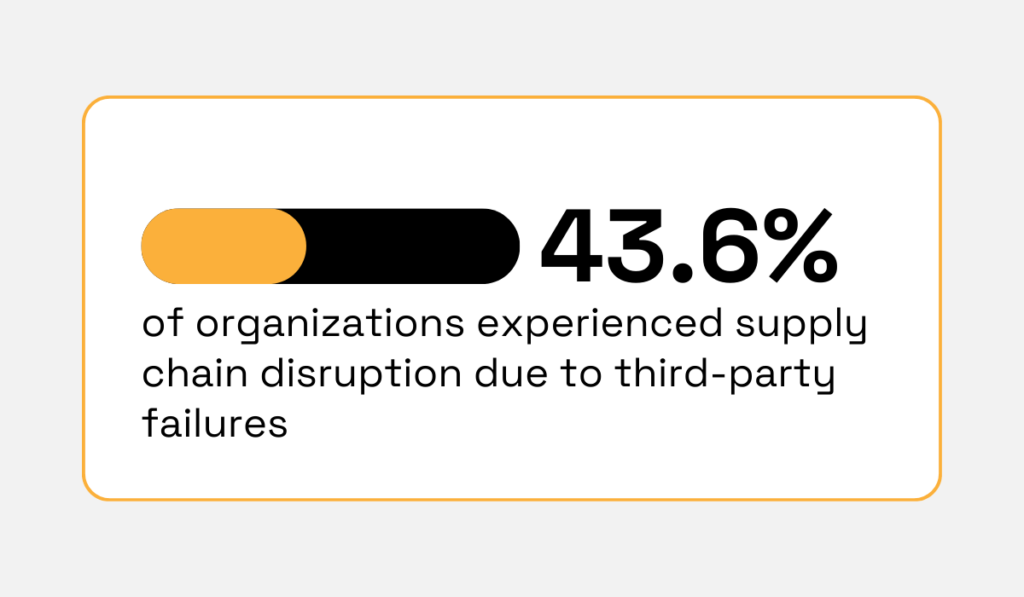
Illustration: Veridion / Data: BCI
But it doesn’t come as a surprise when you complement this fact with McKinsey’s findings.
Namely, only 42% of companies have visibility into Tier 2 or beyond.
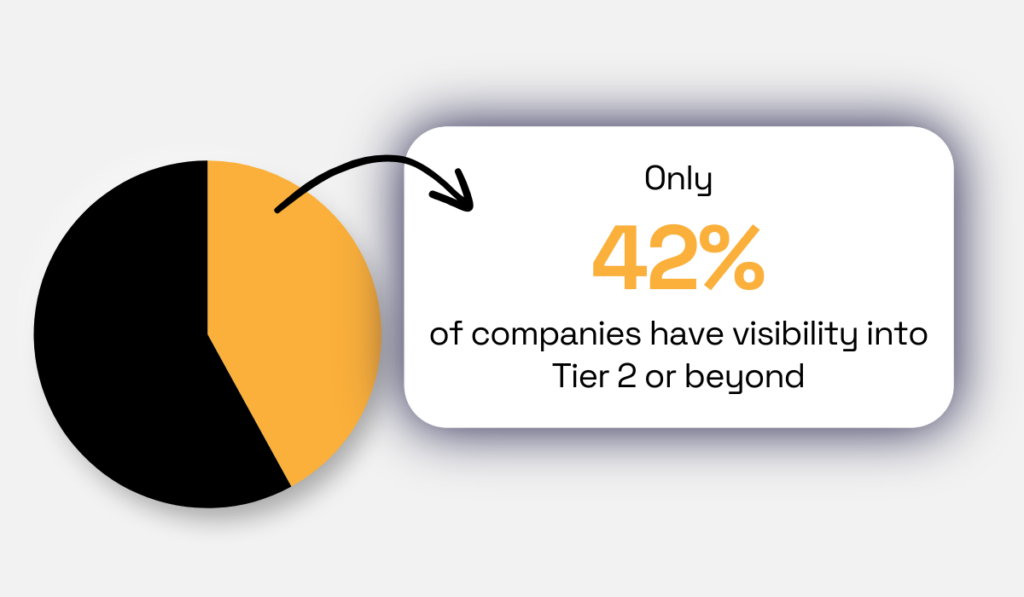
Illustration: Veridion / Data: McKinsey
All of this goes to show how mapping out an entire supply network can make all the difference between a resilient business and a vulnerable one.
As you uncover the full perspective, it’ll be easier to reduce blind spots and gain resilience in the event of a disruption.
By proactively identifying these hidden dependencies through supply chain mapping, your organization can prevent risks instead of reacting once damage has already been done.
At first glance, your supplier list may look diversified.
But in reality, it may be tightly clustered around a handful of locations, companies, or infrastructures.
Especially if your industry relies on specialized components, regional manufacturing hubs, or shared digital infrastructure.
And the scary fact is, most companies are unaware of how exposed they are to a single disruption event.
This is confirmed by reports, such as this one by Risk Ledger, which found that 70% of organizations currently cannot identify concentration risks.
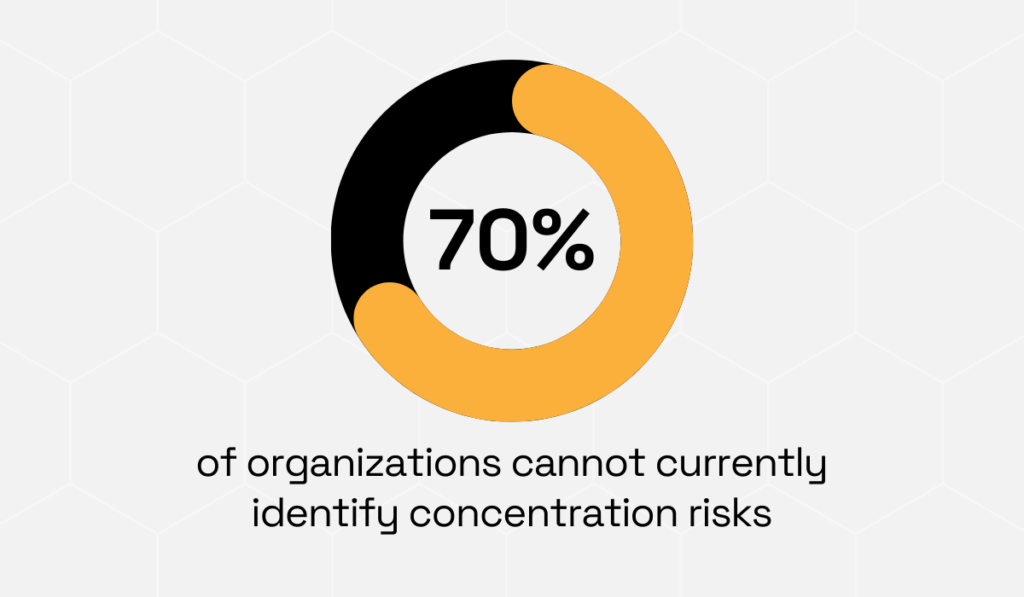
Illustration: Veridion / Data: Risk Ledger
The issue can be solved with, you’ve guessed it, supply chain mapping.
It helps in uncovering whether a supplier—or several of them—can be potential sources of concentration risks.
These risks can be based on geography, level of supplier reliance, or technology.
And when they become a full-blown event, the consequences can be serious.
A great example of how relying on a single provider can halt operations is the global AWS outage that happened in October 2025.
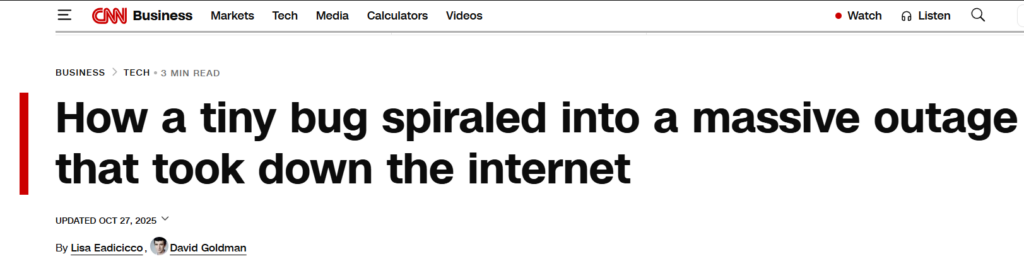
Source: CNN
A technical failure in AWS’s primary network infrastructure, along with errors during a regular update, triggered connectivity loss.
The result of this glitch?
Over 2,000 companies across more than 60 countries couldn’t operate.
The losses were counted in millions of dollars: according to a report by CyberCube, the damage was in the range of $38M–$581M.
All of this could have been avoided if these organizations discovered this potential risk through supply chain mapping and focused on diversifying their cloud providers.
However, staying on top of these risks is difficult without technology.
Tools like our very own Veridion help you do just that, and more.
Think of it as a rich well of fresh data that provides enriched, location-level, and operational intelligence.
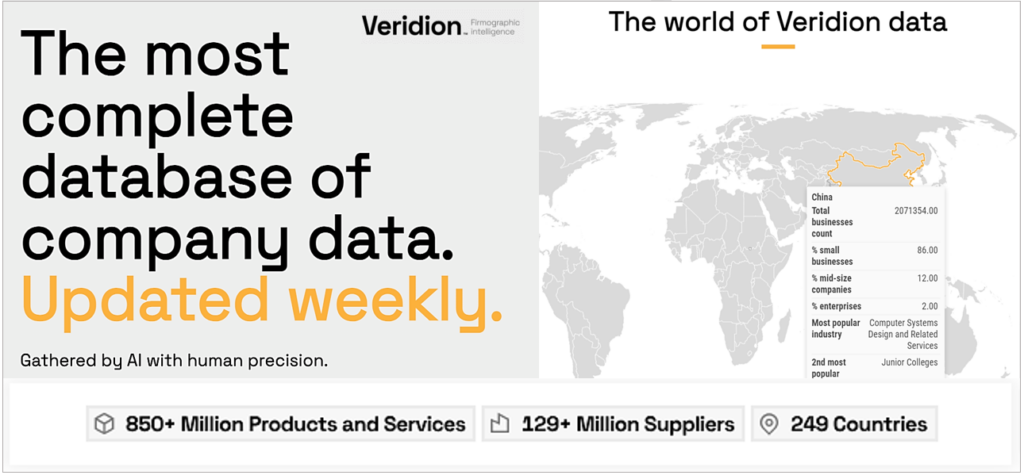
Source: Veridion
Our exhaustive data helps organizations detect co-located suppliers, overlapping ownership, and hidden concentration across tiers.
For example, if you want to explore location-level risks of your supplier network, Veridion provides you with the entire context:
| Detailed classification | 100+ location types (factories, farms, offices, data centers, etc.) |
| Building-level info | Area, building structure, employee count, revenue indicators, etc. |
| Proximity insights | How close a site is to roads, rivers, ports, flood zones, and other risk factors |
| Ownership links | Clear links between parents, subsidiaries, affiliates, and subcontractors |
You can also gain laser-sharp insight into a supplier’s ESG exposure, which is also critical in assessing whether a supplier is risk-prone.
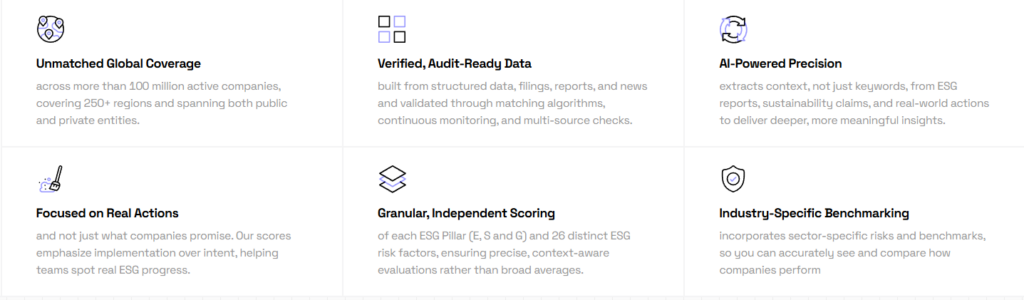
Source: Veridion
As you can see, tools like Veridion enable teams to uncover structural risks that would otherwise remain obscured.
Also, when you identify these chokepoints with supply mapping, your organization can mitigate disruptions by diversifying sourcing or building contingencies.
When you’ve covered this, you have built a robust foundation for resilience planning.
Disruptions will happen, whether you like it or not.
Global crises, supplier bankruptcies, cyberattacks, and climate-related events have made disruption the norm.
In 2024 alone, Resilinc reported a 38% rise in supply chain disruptions, compared to only 5% in 2023.
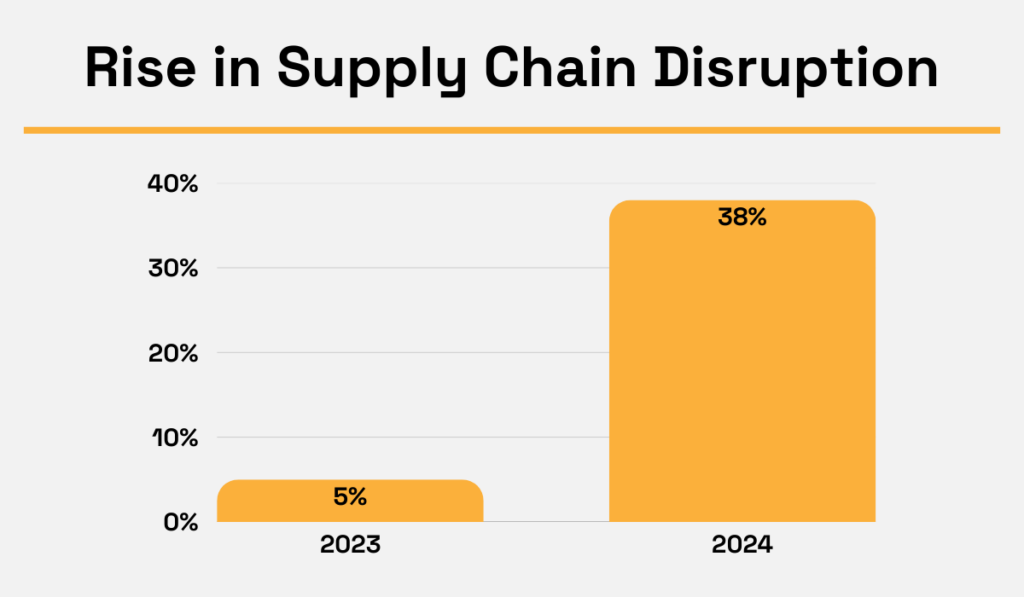
Illustration: Veridion / Data: Resilinc
Sounds daunting, right?
But if you think ahead and develop a robust resilience plan, in case of a disruption, your business will bounce back without serious repercussions.
However, in order to arrive at this point, supply chain mapping will be a crucial process to implement.
When you understand your full network, you can:
You may even gain an opportunity for growth and innovation.
In their 2020 analysis, Bain and Company reported that companies that had prioritised investment in supply chain resilience before the COVID-19 epidemic had up to 60% shorter product development cycles, minimized risk, and increased their savings.
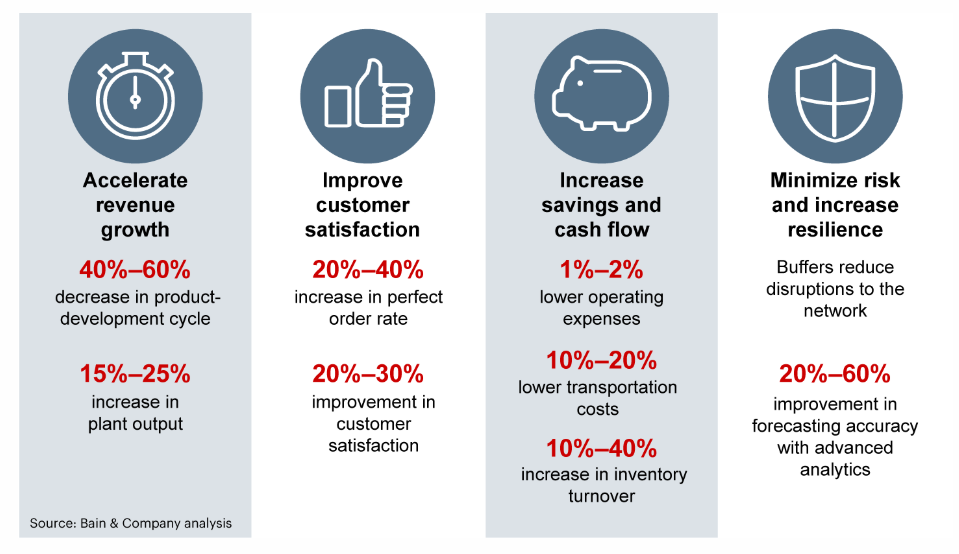
Source: Bain & Company
On the other hand, a resilience strategy not based on supply mapping tends to be generic and non-flexible.
Poor, uninformed planning may lead to either an excess or a shortage of products, frequent stockouts, and backorders.
This can easily translate into loss of income and panic or paralysis in case of a disruption.
The Economist Intelligence Unit surveyed executives from companies with annual revenue in excess of US$1bn.
They found that financial issues like loss of customers and increased operational costs were one of the most common consequences of disruptions, right after reputational damage.
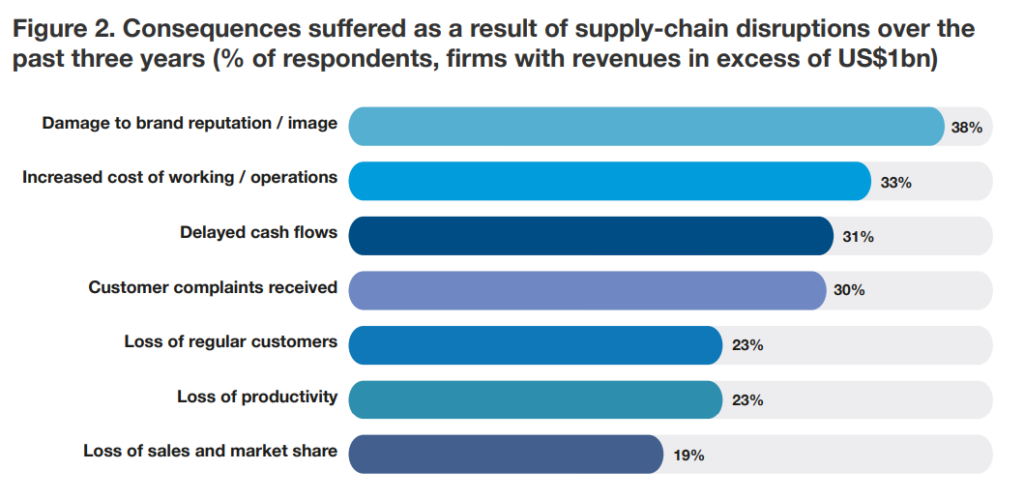
Source: GEP
To prevent this from happening, back your resilience plan with findings from supply chain mapping.
Sure, disruptions may occur, but downtime and financial loss will be significantly reduced, especially when compared with companies that didn’t safeguard themselves on time.
Ultimately, supply chain mapping will transform resilience planning from a reactive exercise into a data-driven strategy that minimizes downtime, protects revenue, and creates long-term competitive advantage.
ESG and regulation scrutiny grow every day.
In fact, according to ESG Book, ESG regulations have increased a whopping 155% from 2013 to 2023.
This means it’s more important than ever to have clear insight into supplier practices, their location, and ESG risks.
If companies don’t adapt, that can lead to various issues, ranging from legal fines to reputational damage.
Alex Bowles, Director of Global Client Services at supplier management software provider Transparency-One, explains:
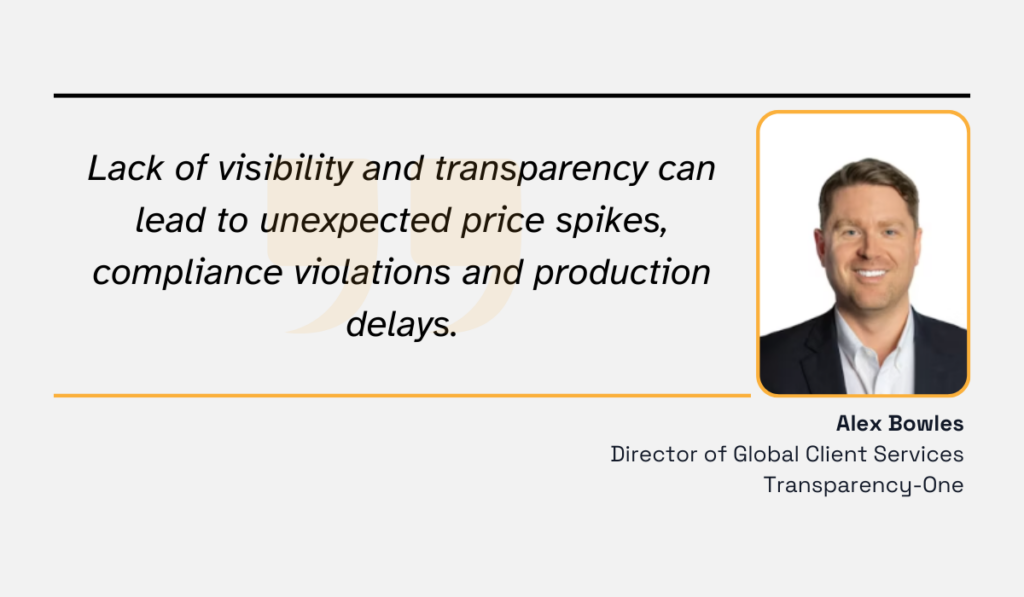
Illustration: Veridion / Quote: ISM
However, compliance efforts without mapping are incomplete because you still don’t see the full picture.
Sure, you may be compliant at Tier 1, but unaware of risk further upstream—exactly where regulators are now focusing on.
Supply chain mapping complements compliance efforts by enabling traceability and documentation needed to meet these regulatory demands.
With it, you’ll understand where products come from, how they’re made, and under what conditions.
You’ll also identify potential risks on time and mitigate them safely.
Not to mention how staying in line with regulations can positively impact your bottom line.
Kroll’s 2021 ESG and Global Investor Returns Study, conducted on 13,000 publicly traded companies, showed just that.
Companies with strong ESG performance saw an average annual return of 12.9%, while those with lower ESG ratings earned just 8.6%.
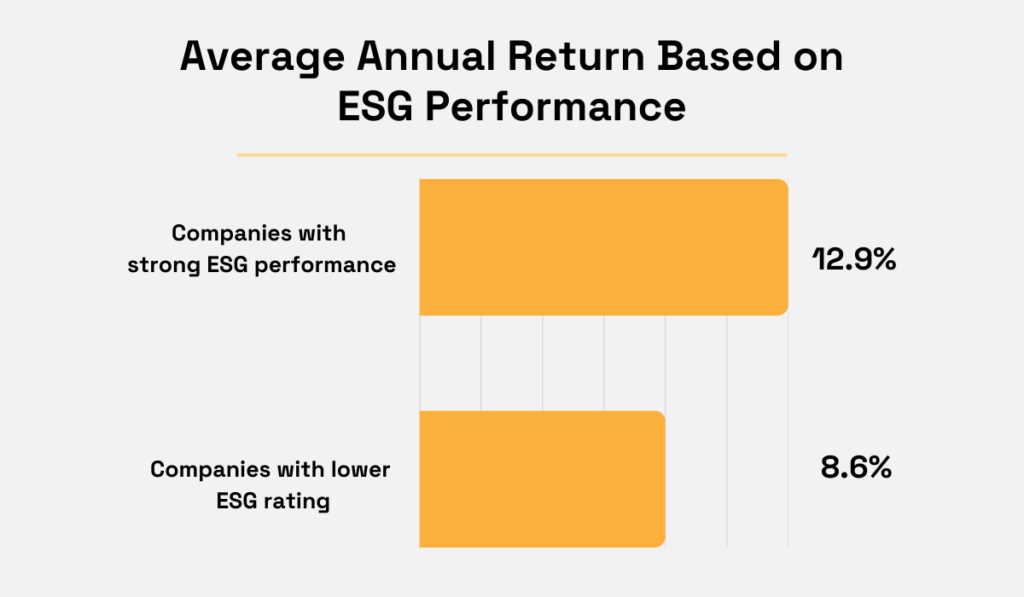
Illustration: Veridion / Data: Kroll
All of this shows how supply chain mapping is critical in ensuring compliance across all tiers while protecting both corporate reputation and finances.
Supply chain mapping is not about drawing fancy diagrams to impress shareholders.
It’s an essential element of a healthy and resilient supply chain.
Companies that incorporate it into their processes are a step ahead of risks turning into disasters. They’re more efficient, sustainable, and profitable.
So, when disruptions happen, they don’t go into panic mode but react proactively.
Your organization can also be in that category.
With supply chain mapping, you’ll be far better equipped to stay safe and sound in a world where disruptions have become commonplace.