



Blog
B2B Market Intelligence: Key Insights
By: Stefan Gergely -
12 December 2025


We love our data, and now that you're here, you're one step closer to loving it too.
A wide sample of data, so you can explore what is possible with our data
Choose ->
built with procurement in mind. Focused on manufacturers, products and more
Choose ->
built with insurance in mind. Focused on classifications, business activity tags and more
Choose ->
built with sustainability in mind. Focused on sustainability commitments, and environmental and social governance insights.
Choose ->
built with strategic insights in mind. Focused on market trends, competitor analysis, and industry-specific data
Choose ->

Keep up to date with our technology, what our clients are doing and get interesting monthly market insights.

Key Takeaways:
When people hear the term market intelligence, they often think of B2C use cases, such as tracking consumer behavior, purchasing patterns, and emerging customer trends.
But B2B market intelligence, though equally powerful, focuses on a different set of insights and end goals.
In this article, we break down everything you need to know about it, including its unique benefits, common challenges, and practical ways to overcome them.
So, if you operate in the B2B space, read on because you’re about to discover how to take your business to an entirely new level.
In short, B2B market intelligence refers to the process of collecting, analyzing, and interpreting data about the business-to-business (B2B) marketplace.
It includes three core types of intelligence:
| Sector Intelligence | Industry topics, technologies, and regulations that affect your sector or geography |
| Competitor Intelligence | Major, minor, and emerging companies you’re up against |
| Customer Intelligence | Existing, target, and potential customers you want to sell to |
All this information comes from two main sources: primary and secondary.
Primary data is the firsthand insight you gather through surveys, interviews, and focus groups.
Secondary data is everything that already exists: market reports, academic research, industry publications, and public statistics.
Together, they give you a full 360° view of your market.
The end goal of market intelligence is to provide a clear path to success and support business growth.
Instead of relying on gut feeling or guesswork, it helps you understand exactly what’s happening with your customers, competitors, and the broader market so you can make decisions with confidence.
And that matters now more than ever.
According to a 2022 S-RM survey, 65% of companies report that strategic intelligence has grown in importance within their organization over the past five years.
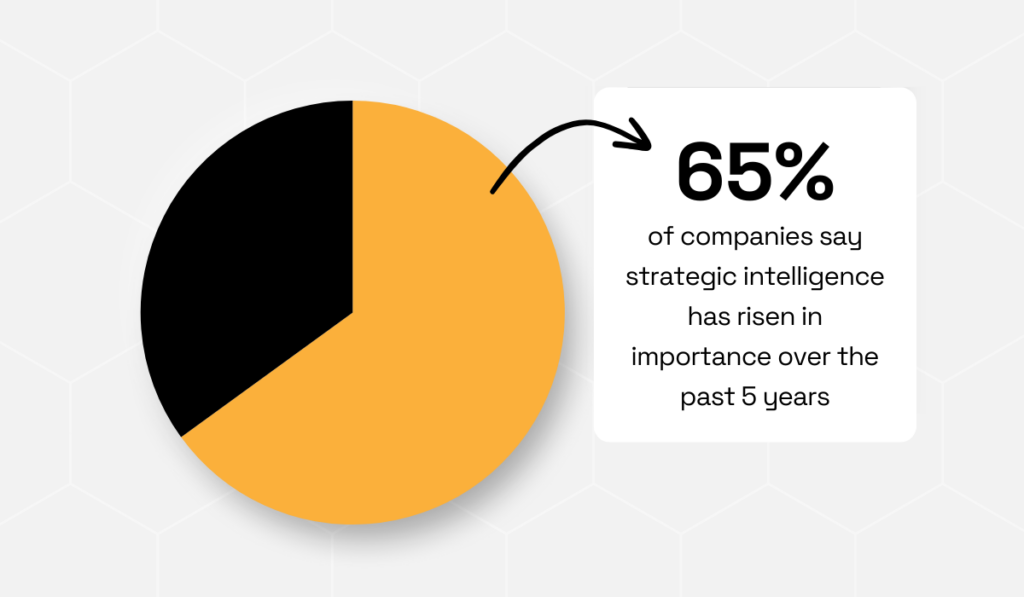
Illustration: Veridion / Data: S-RM
COVID-19 was the wake-up call, exposing how fragile and unprepared many markets were.
Then came the Russia-Ukraine war, reshaping the geopolitical landscape and revealing just how interconnected and unpredictable the world has become.
In times like these, businesses can’t afford to fly blind.
Market intelligence has become vital for navigating uncertainty, avoiding disruption, and staying ahead of whatever comes next.
But market intelligence doesn’t just help you survive.
Used strategically, it makes you thrive.
Let’s explore some of the most important benefits of B2B intelligence in more detail.
Market intelligence collects valuable customer data, like purchase histories, channel behaviors, usage patterns, budgets, buying cycles, and more.
This information helps you identify segments within your audience and understand what each group values in terms of features, service levels, pricing, support needs, and other factors.
Thanks to this, you’re able to double down on what works, correct what doesn’t, and improve customer experiences while also attracting new business.
Research from AMPLYFI backs this up, showing that most B2B buyers are more likely to purchase when sellers demonstrate a strong understanding of their needs and their business.
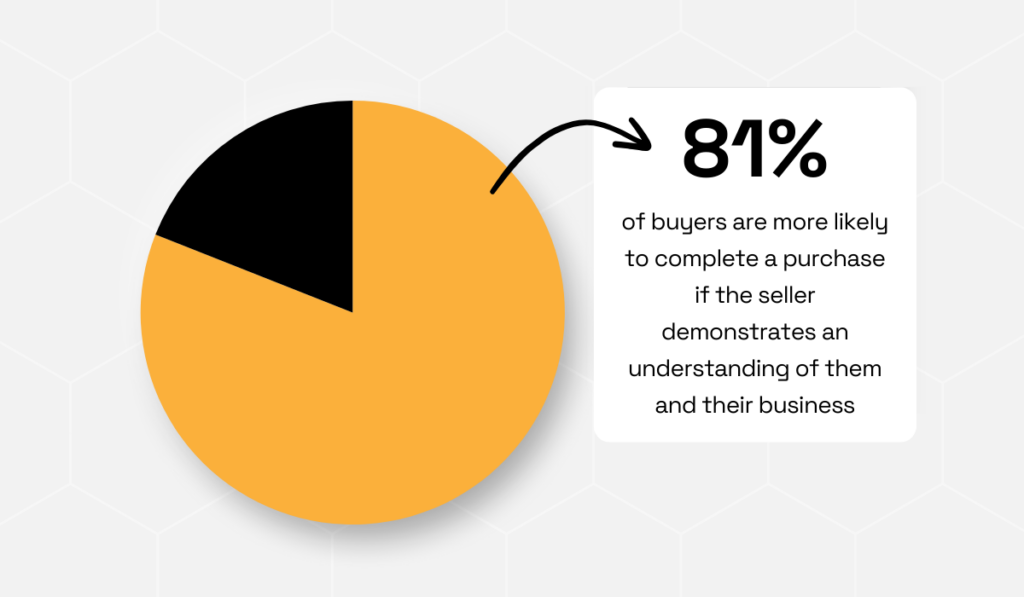
Illustration: Veridion / Data: AMPLYFI
The challenge, however, is that customer needs and expectations evolve quickly. What mattered six months ago may not matter tomorrow.
That’s where B2B market intelligence comes in, keeping you in sync with your customers and ahead of market changes.
Take, for instance, Wajax, a Canadian distributor specializing in selling, renting, and servicing equipment, power systems, and industrial components.
They turned to market intelligence to:
Their analysis revealed two leading satisfaction drivers: easy access to technical or service support, and knowledgeable, helpful Wajax representatives.
In other words, employees were central to customer happiness.
So Wajax doubled down on investing in them.
Justin Warren, former Senior Vice President of the Industrial Parts and Engineered Repair Services Business at Wajax, explained:
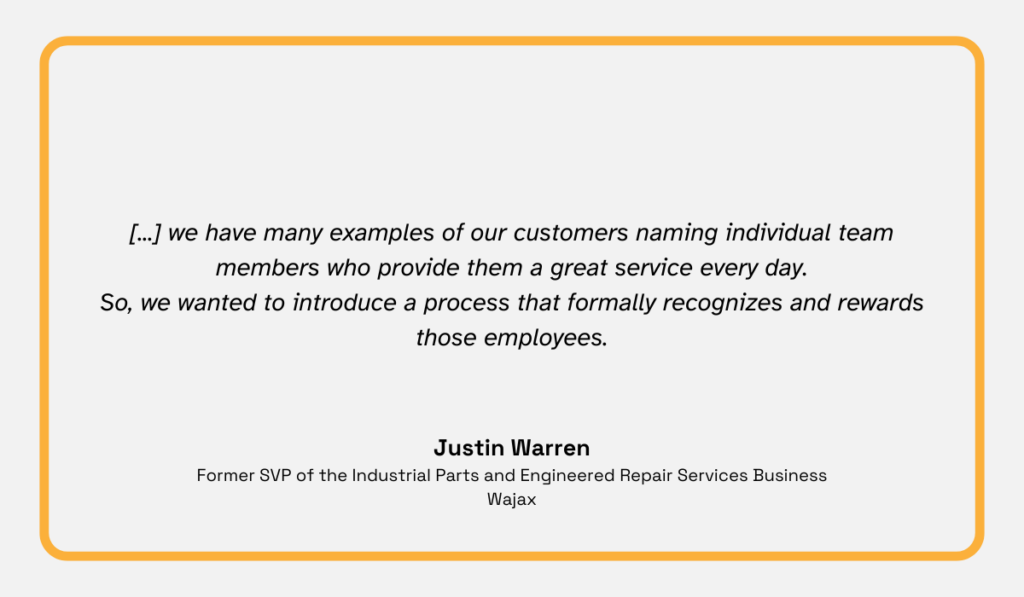
Illustration: Veridion / Quote: CustomerGauge
The main takeaway?
By acting on these valuable insights, Wajax has been able to significantly improve its customer experience.
Now, not only are their loyal customers happier, but they have even turned former detractors into loyal advocates.
Market intelligence doesn’t just keep you informed about your customers, but about your competitors, too.
It can track product releases, positioning strategies, or market-share movements, evaluating factors such as customer reviews, support quality, and more.
Together, these insights reveal where competitors overperform or underperform, giving you early warnings about significant changes so you can adjust and stay ahead.
It’s no wonder that, according to the 2025 Hanover Research survey, the vast majority of companies say this kind of research is essential to their success.
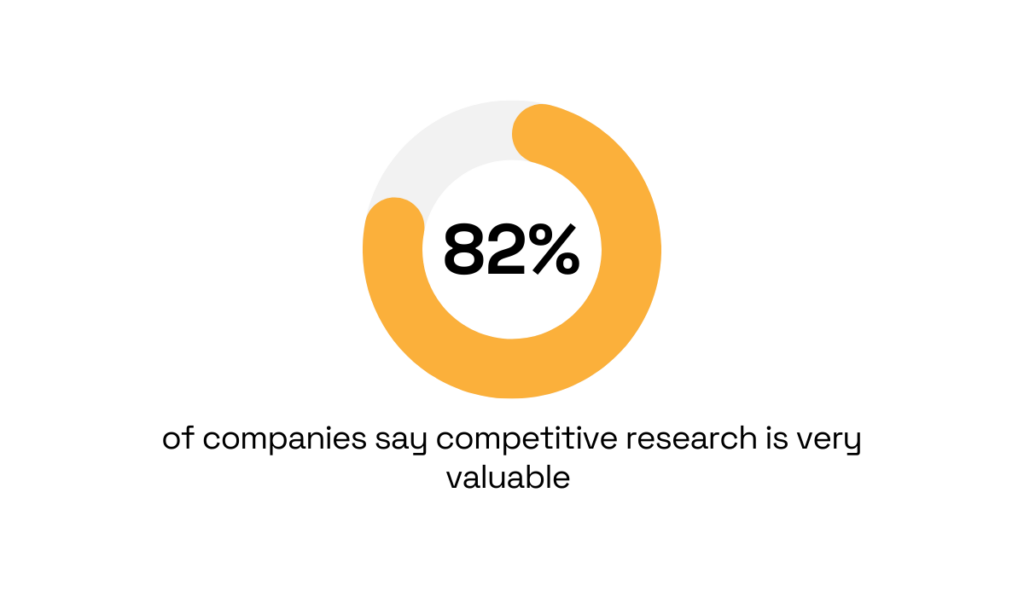
Illustration: Veridion / Data: Hanover Research
It’s certainly essential for Salsify, a product experience management platform.
After increasing their investment in competitive intelligence, they achieved an impressive 22% boost in competitive win rates in just the first year.
Jon Steinberg, VP of Sales at Salsify at the time, commented:
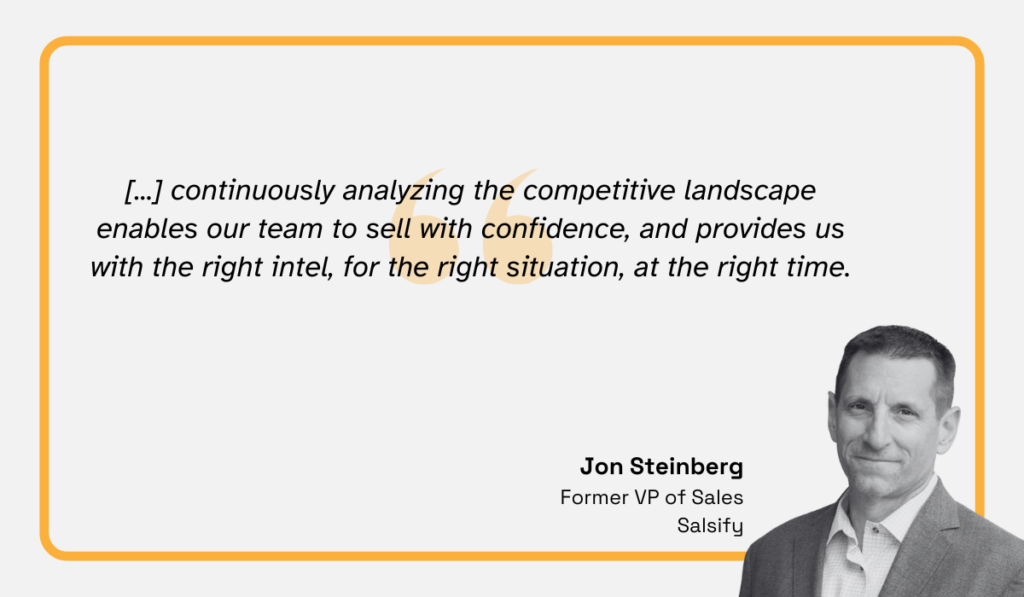
Illustration: Veridion / Quote: Crayon
Salsify applies this intelligence across all aspects of its operations.
That includes equipping sellers with competitive battlecards, informing the product roadmap, and helping the customer success team navigate competitor-related conversations.
This illustrates just how versatile competitive insights can be.
Contrary to popular belief, they don’t just influence pricing strategy.
They strengthen your overall offering, elevate the customer experience, and ultimately help you stand out in a crowded market.
Market intelligence identifies economic shifts, supply chain vulnerabilities, regulatory updates, and industry trends that could impact operations, often before they even become real threats.
This enables you to prepare for disruptions such as downturns, supply shortages, or customer losses with contingency plans, rather than panicking and scrambling after the fact.
In short, market intelligence helps you weather any storm.
And according to the 2025 World Economic Forum survey, it truly is stormy out there.
We appear to be living in one of the most divided times, with the majority of companies anticipating an unstable global outlook in both the short and long term.
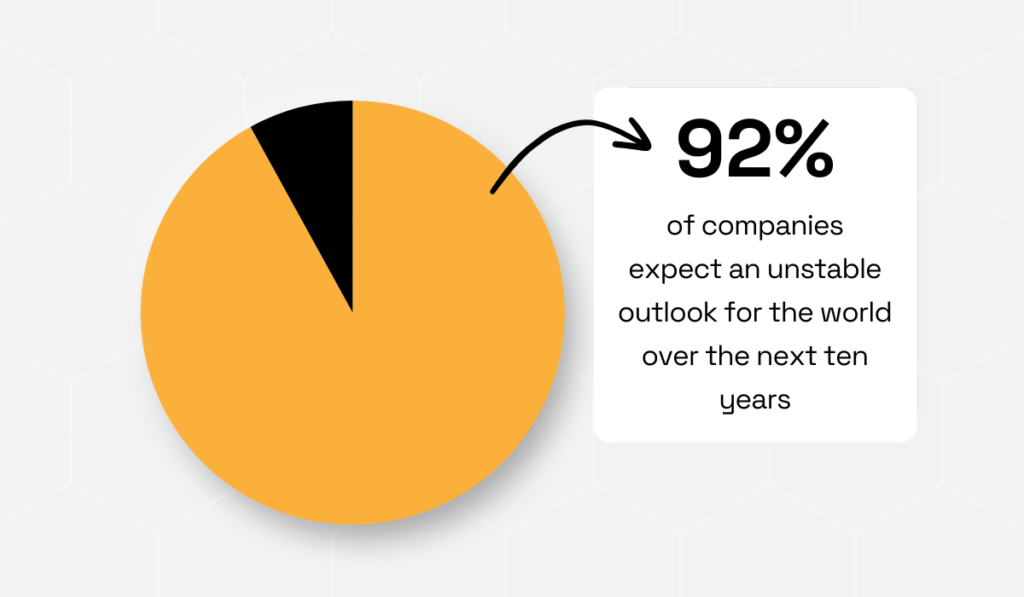
Illustration: Veridion / Data: World Economic Forum
The only way to fight against the risk?
Stay informed.
Know the market, understand emerging risks, and track the changes that could affect your business.
Industry leaders clearly recognize this.
For example, Coca-Cola HBC closely monitors its suppliers, evaluating their performance, financial health, ESG compliance, and more.
According to their website:
“In CCHBC, we have a robust program in place to review every year the risks and performance of all our suppliers against our SGPs, PSA principles for agricultural ingredients, Water Risk Assessment as well as […] Supply Risk and Financial stability.”
This allows them to identify weak performers who could expose them to risk early, enabling the company to act quickly and maintain productivity.
Today, it’s not enough to respond to problems reactively.
You need to anticipate, prepare, and act decisively.
With an efficient market intelligence system, you can do exactly that.
If market intelligence offers all these benefits, why do some businesses still struggle to anticipate disruptions or understand significant market changes?
The truth is, implementing and using market intelligence effectively isn’t exactly a walk in the park.
Here are some of the most common challenges, along with some tips on how to overcome them.
The biggest challenge businesses face is finding relevant data and ensuring it’s actually reliable.
That’s why many organizations struggle with fragmented, outdated, inconsistent, or hard-to-verify information, which leads to poor decision-making and missed opportunities.
The S-RM survey confirms this, revealing the most common intelligence issues.
Apparently, this data takes too much time to digest, it isn’t always relevant, there’s too much of it to handle, and it’s often in the wrong format.
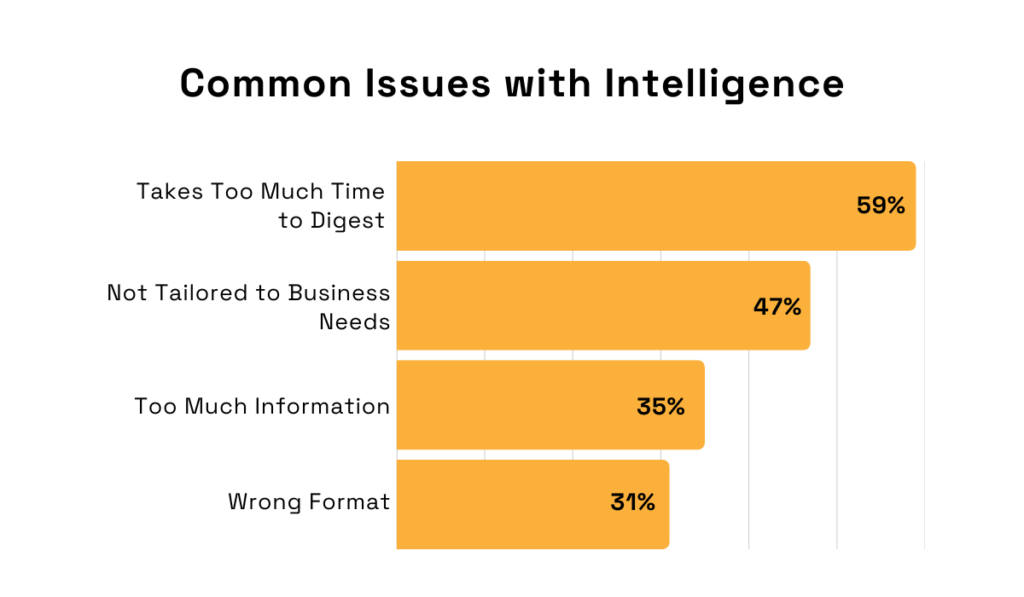
Illustration: Veridion / Data: S-RM
And when data quality is low, it simply can’t drive good decisions.
In fact, it can only mislead you, resulting in lost leads, overlooked trends, and slow responses to market changes.
So, is there a way to overcome these challenges and make sure your data truly works for you?
Yes.
AI-powered market intelligence platforms like Veridion are built for exactly this purpose.
Veridion continuously scans the internet, capturing detailed company data, and automatically standardizes, cross-checks, and validates it.
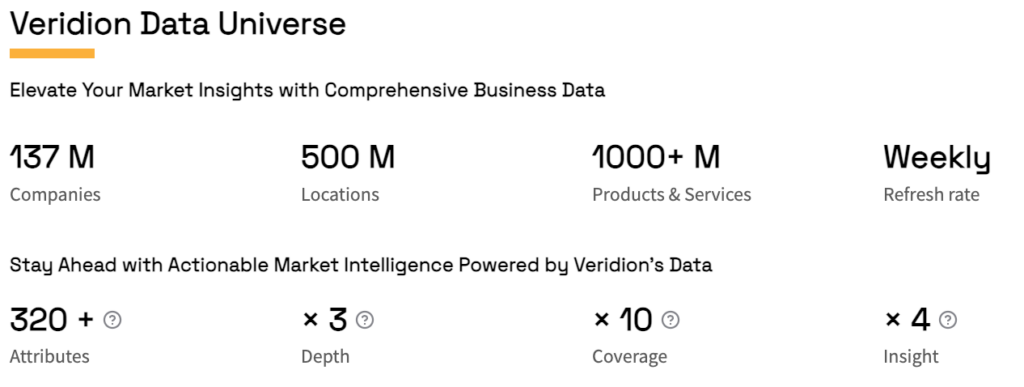
Plus, our weekly data refresh ensures you’re always working with the most up-to-date insights.
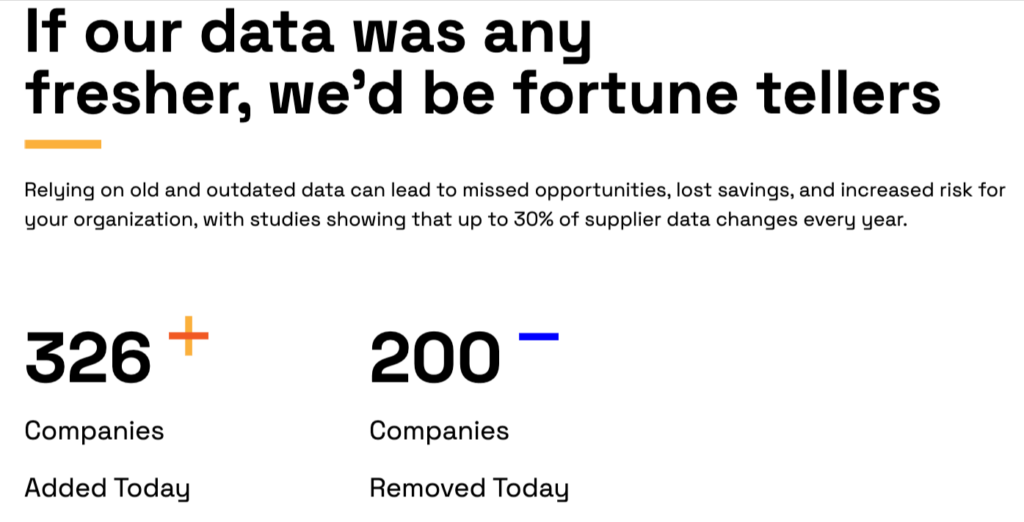
Source: Veridion
How do we guarantee top-quality data?
By maintaining full control over our data pipeline. No reliance on third-party vendors.
All data is collected, processed, and delivered through our proprietary systems.
We also incorporate client-driven feedback loops to quickly identify and resolve inconsistencies, ensuring the highest accuracy and relevance across all profiles.
In fact, our rigorous validation process delivers over 95% accuracy.
The best part?
With Veridion, you get both quality and quantity.
Our database contains over 130 million companies across 500 million locations, with rich profiles that include employee counts, headquarters, ESG signals, potential risks, and more.
Source: Veridion
If a company exists—big or small, private or public—Veridion finds it and provides all the insights you need.
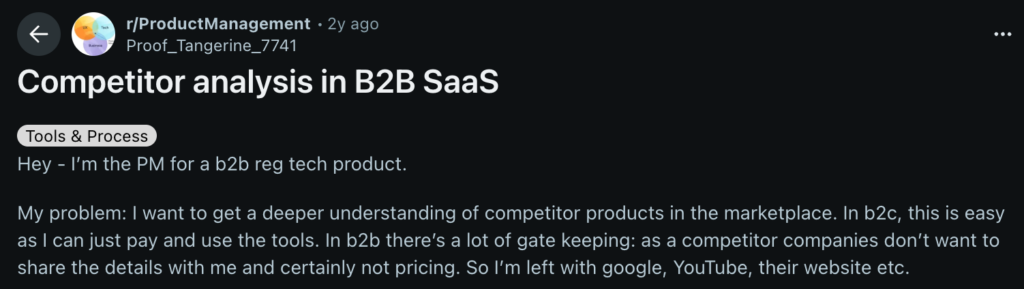
Unlike consumer brands, where pricing, marketing campaigns, and product launches are out in the open, B2B competitors tend to play their cards close to the chest.
This lack of transparency naturally leads to limited visibility and higher uncertainty, forcing companies to make strategic decisions without a full understanding of competitor moves.
The result? Significant missed opportunities.
For instance, the 2025 Crayon survey found that the average enterprise loses $2–$10 million per year in competitive deals, largely because its sales teams are underprepared.
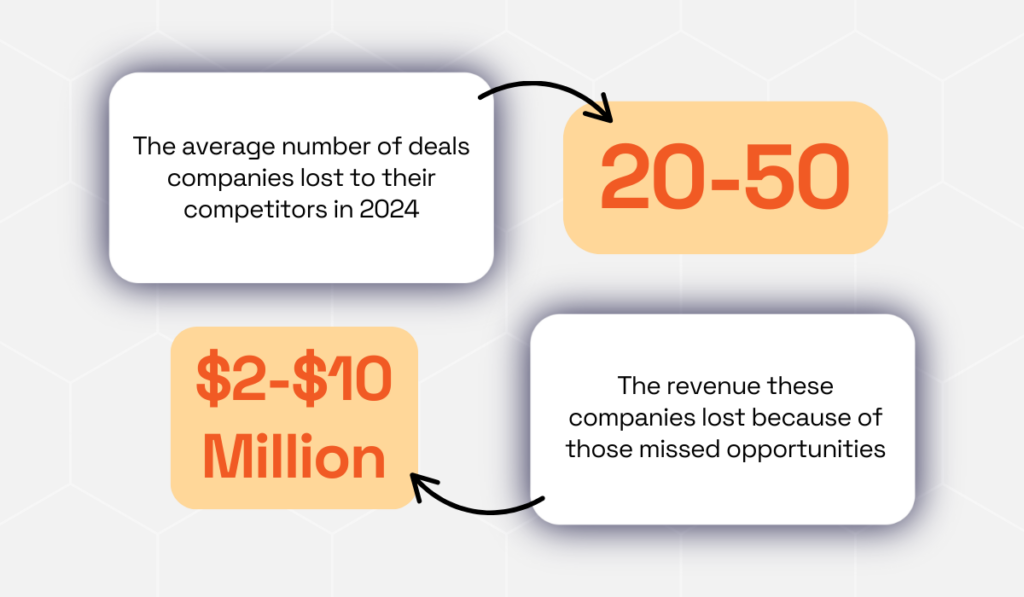
Illustration: Veridion / Data: Crayon
But it’s tough to be prepared when your competition is guarding their most vital information like state secrets.
One Reddit user perfectly summarizes this dilemma:
Source: Reddit
So, what can you do about it?
There’s no single answer, but the key is to regularly monitor your competition using the resources you do have.
If you don’t have a dedicated market intelligence platform, your next best option is their online presence.
Amber Brown, Founding Member of Senior Executive, a media company delivering mission-critical insights for top leaders, advises:
“Subscribe to their newsletters, follow their blogs, and join their customer communication channels. This ensures you’re informed about their latest developments, product launches, and marketing strategies.”
Even their website alone can reveal a lot.
Tools like SimilarWeb allow you to track monthly traffic volumes, engagement levels, key traffic sources, and more.
By analyzing this data, you can gain insights into their performance and strategy, and even uncover important marketing tactics you may be missing.
In recent years, privacy regulations like GDPR and CCPA have expanded, bringing increased scrutiny to how data is collected, stored, and shared.
Because B2B market intelligence depends heavily on acquiring and analyzing company-level and behavioral data, this introduces significant risks.
One misstep can expose your business to legal trouble, damage your reputation, and lead to hefty fines.
For example, the GDPR website notes:
“The less severe infringements could result in a fine of up to €10 million, or 2% of the firm’s worldwide annual revenue from the preceding financial year, whichever amount is higher.”
The stakes are clearly high, which is why compliance must be a priority.
The key to success here is education.
Staying informed about ethical data-collection practices and ensuring your team is, too, is one of the most effective shields against non-compliance.
But training must be both well-designed and taken seriously.
According to an Ipsos survey, only 36% of companies rated their training procedures as very effective in helping employees understand their organization’s data security policies.
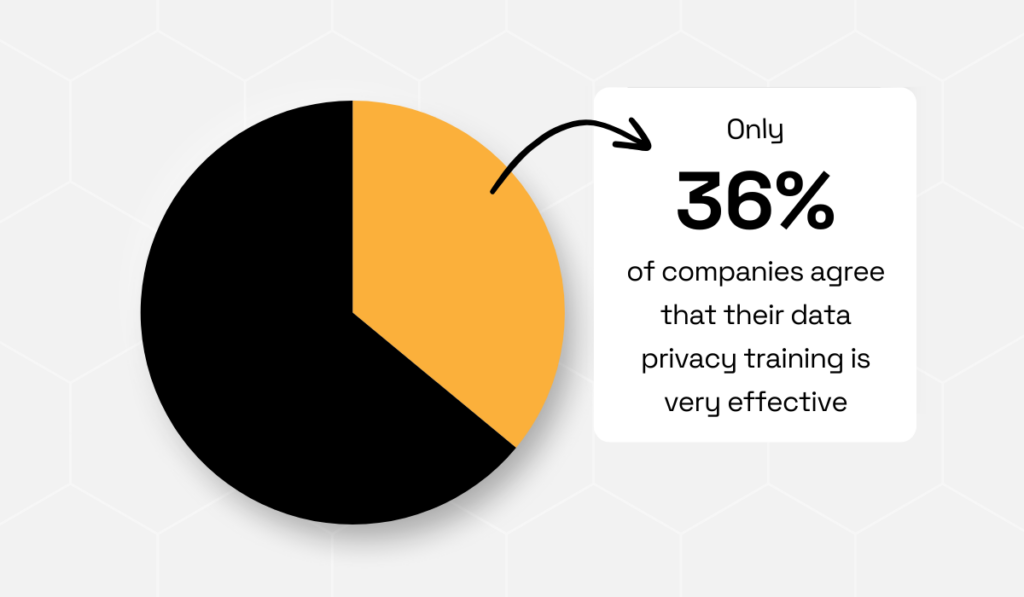
Illustration: Veridion / Data: Ipsos
In areas as sensitive as data protection, anything less than very effective leaves room for risk.
That’s why choosing the right training matters.
Take time to explore what’s available, vet every provider thoroughly, and pick the one that truly fits your needs.
Once training is in place, measure its impact, but focus on outcomes rather than completion rates.
Some useful metrics include:
Ultimately, understanding the relevant regulations is already more than half the battle.
With a well-trained, regularly updated team, you can collect and leverage market intelligence confidently and responsibly, without unnecessary stress.
All things considered, implementing B2B market intelligence is well worth the initial effort.
Sure, it does take time to get right, and you’ll likely need some new tools to support the process, but the payoff can be significant.
Think happier customers, increased profitability, and stronger preparedness for risk.
Because today, you need to stay in the know to stay in the game.