



Blog
Main Points of Failure in a Supply Chain Dependent on China
By: Stefan Gergely -
27 February 2026

We love our data, and now that you're here, you're one step closer to loving it too.
A wide sample of data, so you can explore what is possible with our data
Choose ->
built with procurement in mind. Focused on manufacturers, products and more
Choose ->
built with insurance in mind. Focused on classifications, business activity tags and more
Choose ->
built with sustainability in mind. Focused on sustainability commitments, and environmental and social governance insights.
Choose ->
built with strategic insights in mind. Focused on market trends, competitor analysis, and industry-specific data
Choose ->

Keep up to date with our technology, what our clients are doing and get interesting monthly market insights.

Key Takeaways:
Businesses are already well-versed in the benefits of sourcing from China.
Seemingly lower production costs, high-speed manufacturing, advanced technical capabilities, and a well-established supply chain for nearly any product make the country highly appealing to many.
But what happens when things go wrong?
Do you have a backup plan, or are you one of the companies that put all your eggs in one basket?
This article is for those in the latter group.
In it, we explore the main points of failure in a China-dependent supply chain and offer some practical strategies and tools to mitigate the risks.
Relying heavily on a single country for critical components or products is never a good idea.
If factories or regions are disrupted in any way, your entire supply chain can grind to a halt, resulting in production stoppages, shipment delays, and, ultimately, revenue loss.
China is particularly risky, though.
The world depends heavily on China for both the mining and the refining of rare-earth elements (REEs), which are vital for virtually all advanced tech, from weapons to electric vehicles.
In fact, according to Interos, China currently controls approximately 84% of the global REE market.
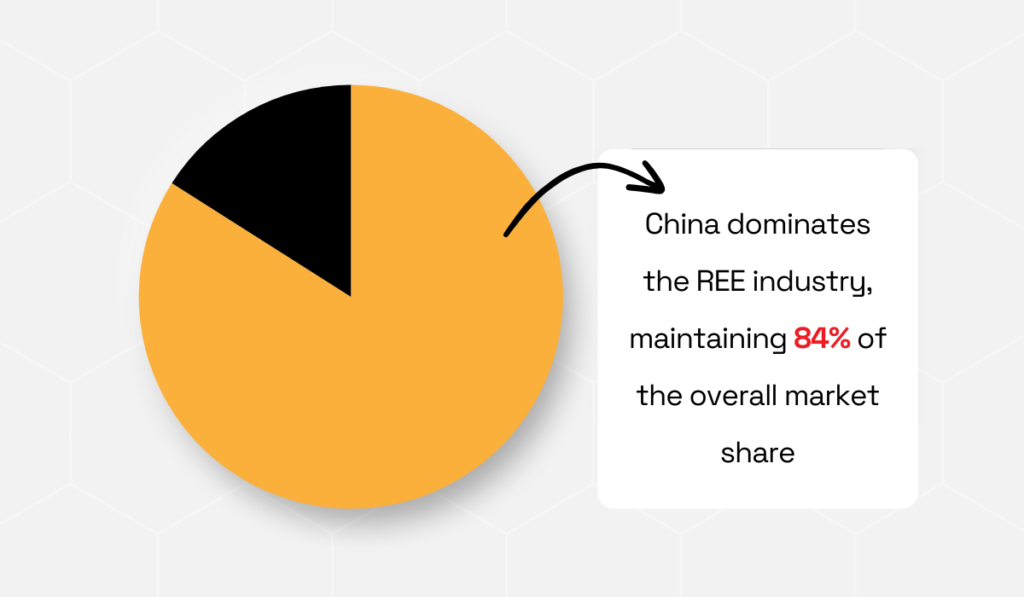
Illustration: Veridion / Data: Interos
So, if disruptions occur, companies sourcing from China face not only immediate supply chain interruptions but also limited alternative options.
Unfortunately, many organizations are experiencing these issues right now.
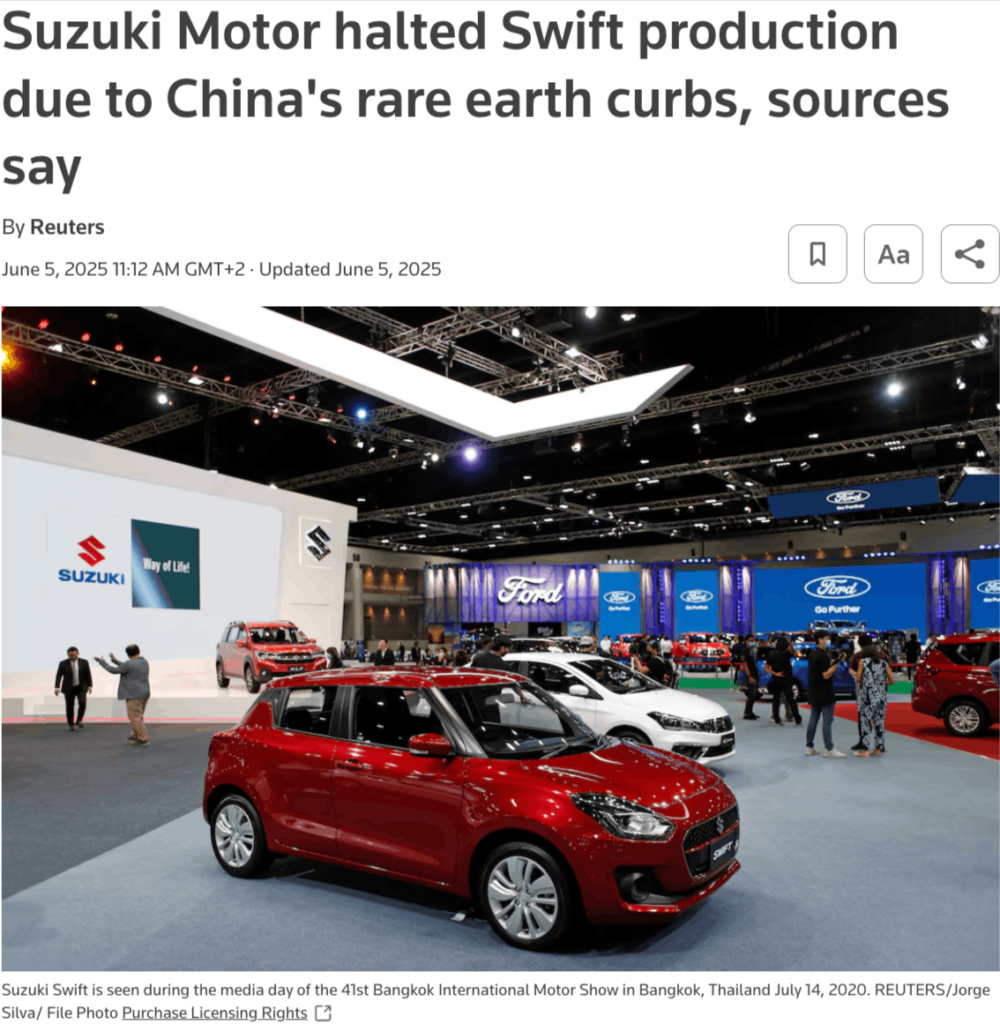
As of April 2025, China has imposed export restrictions on some rare earth elements and magnets in retaliation for U.S. tariffs, affecting nearly everyone who relies on semiconductors, batteries, or REEs in production.
Suzuki Motor, for example, was forced to halt production of its flagship Swift subcompact due to these restrictions, leaving the company struggling to find alternative sources.
So, what can companies do to avoid such scenarios?
Completely moving away from China is not a realistic solution, especially when it comes to rare earths, where viable alternatives remain scarce.
Instead, many companies are adopting a “China Plus One” strategy, notes Lee Heng Guie, Executive Director at the Socio-Economic Research Center:
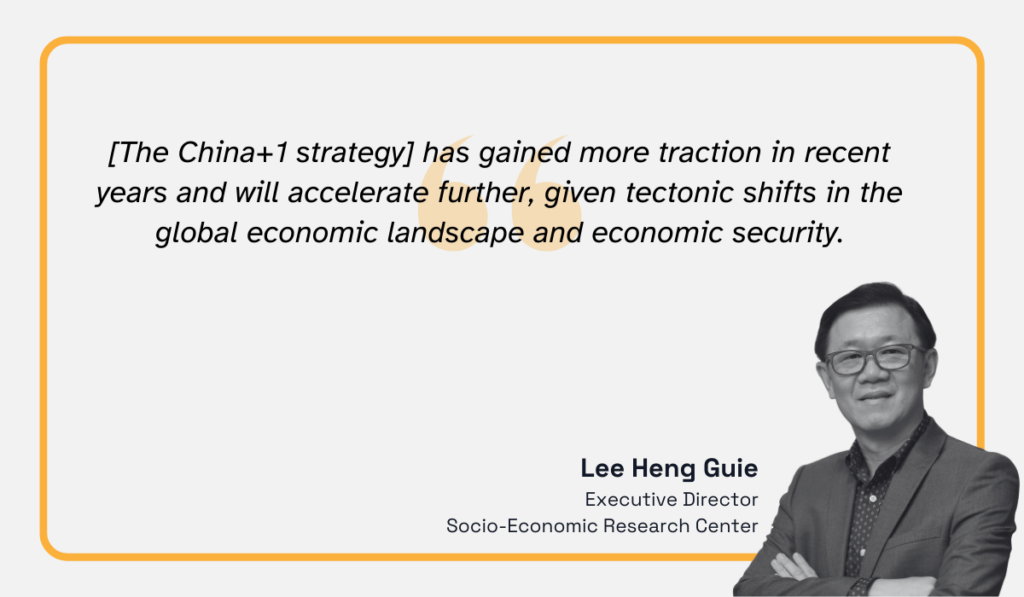
Illustration: Veridion / Quote: The Edge Malaysia
China Plus One is exactly what it sounds like: diversifying manufacturing and sourcing by expanding into additional countries while still maintaining operations in China.
Common “plus one” destinations include Southeast Asian countries such as Vietnam, Thailand, Malaysia, and Indonesia, as well as India and Mexico.
While these markets may not yet match China’s advanced infrastructure or deeply integrated supply chain ecosystems, they are investing heavily to close the gap.
China will likely never be completely replaceable, but diversification can be a great way to reduce at least some of the risk.
One of the most frequently cited challenges of sourcing from China is maintaining consistent product quality.
Yes, China may offer substantial production capacity, but some manufacturing operations still lack the rigorous quality management systems commonly found in Western countries.
As a result, buyers can experience significant variations in quality between production batches, which can be a serious problem.
Defective parts can lead to production delays, customer dissatisfaction, and, most notably, product recalls.
According to the 2025 ETQ survey, such recalls have a severe financial impact, with many manufacturers reporting remediation costs between $10 million and $49.99 million.
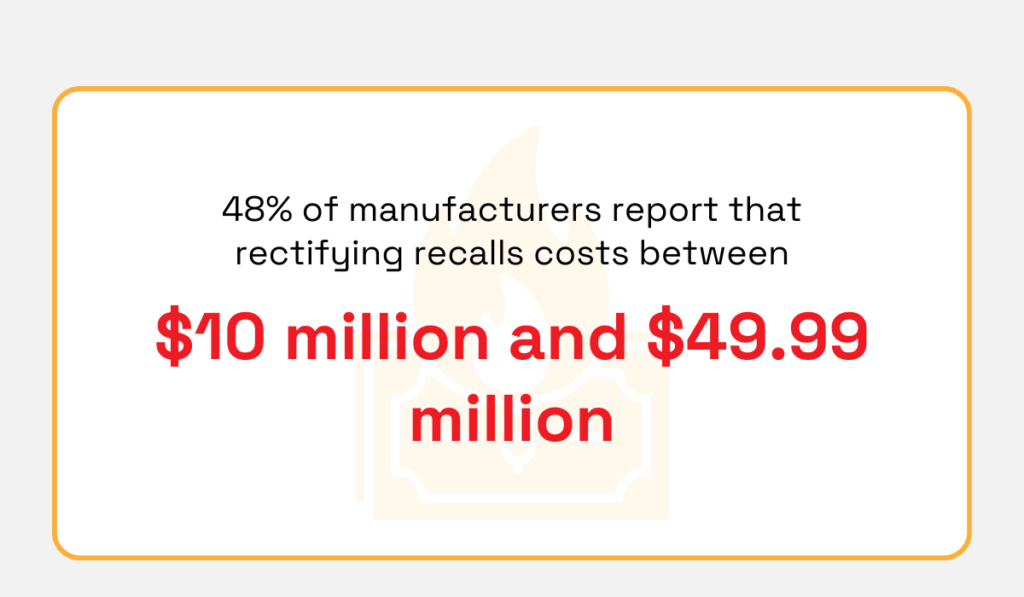
Illustration: Veridion / Data: ETQ
A very steep price to pay for something preventable.
Just ask Volvo.
Due to safety concerns related to batteries supplied by the Chinese manufacturer Sunwoda Electronic, Volvo had to initiate a global vehicle recall.

Source: CarNewsChina
According to automotive media outlet Hypermiler, more than 10,000 EX30 vehicles in the UK market are affected by potential safety hazards linked to these batteries.
This clearly shows why strict, thorough, and frequent supplier audits are non-negotiable.
However, in China, this is often easier said than done.
Conducting on-site quality audits can be time-consuming, and even when audits do take place, discrepancies may exist between reported standards and actual production practices.
As a result, many buyers turn to third-party quality control firms operating in China, such as QIMA, HQTS, and AQI Service.
These organizations specialize in QC and have deep knowledge of the local manufacturing environment, which makes them well-equipped to identify potential issues early in the production process.
According to QIMA, their audits offer significant flexibility, allowing buyers to customize audit protocols and select modules most relevant to their needs.
You can see a sample QIMA supplier report below.
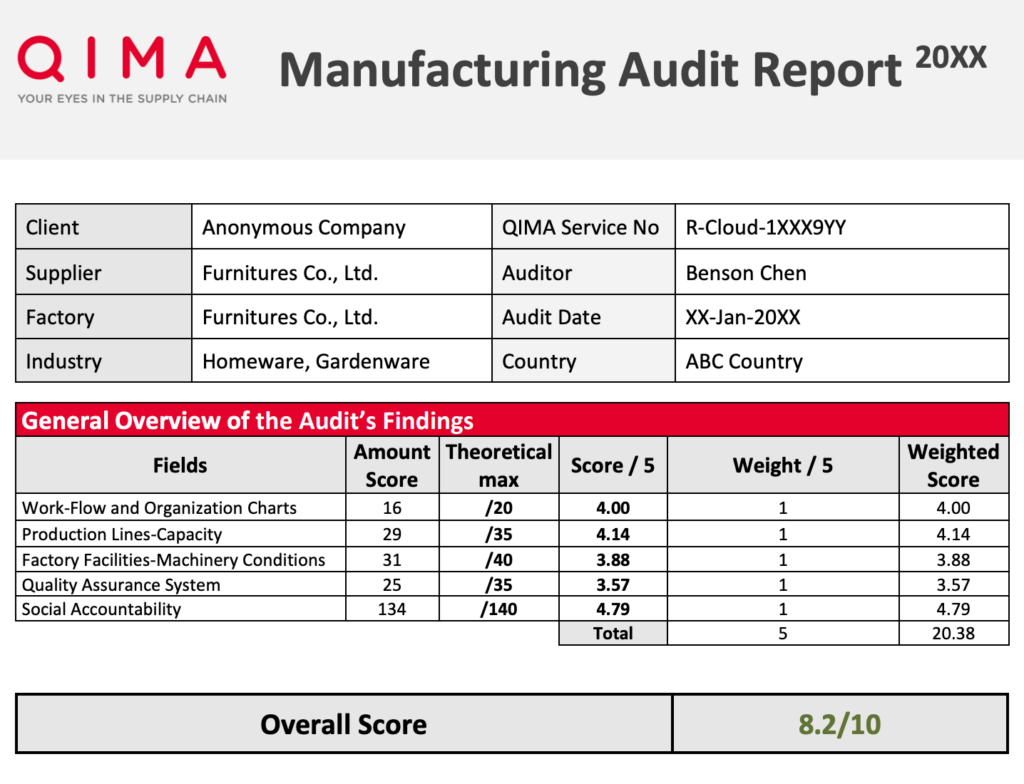
Source: QIMA
These reports are thorough, detailed, and can be tailored to your requirements.
As such, they are the next best thing to being on-site yourself.
Chinese manufacturing hubs have become somewhat notorious for instances of IP theft and counterfeiting.
This creates significant risks for companies that rely on proprietary technology or unique product designs.
According to the International Trade Administration, Chinese law itself partially contributes to the issue:
“China’s first-to-file trademark registration system allows bad-faith applicants to preempt the rights of legitimate trademark owners by obtaining a registration and then holding the mark hostage or free-riding on the reputation established by the rights holder.”
Now, while the Chinese government has made some effort to strengthen IP and trademark laws, enforcement still isn’t where it needs to be.
Buyers are frequently subject to tactics like cyberattacks, hiring away key employees, and leveraging joint ventures to extract technical know-how.
The automotive industry, in particular, has had plenty of IP theft issues and has seen some of the most high-profile battles against copycats.
In 2019, for example, Jaguar Land Rover engaged in a legal dispute with Jiangling Motors, which produced a vehicle that closely resembled the Range Rover Evoque.
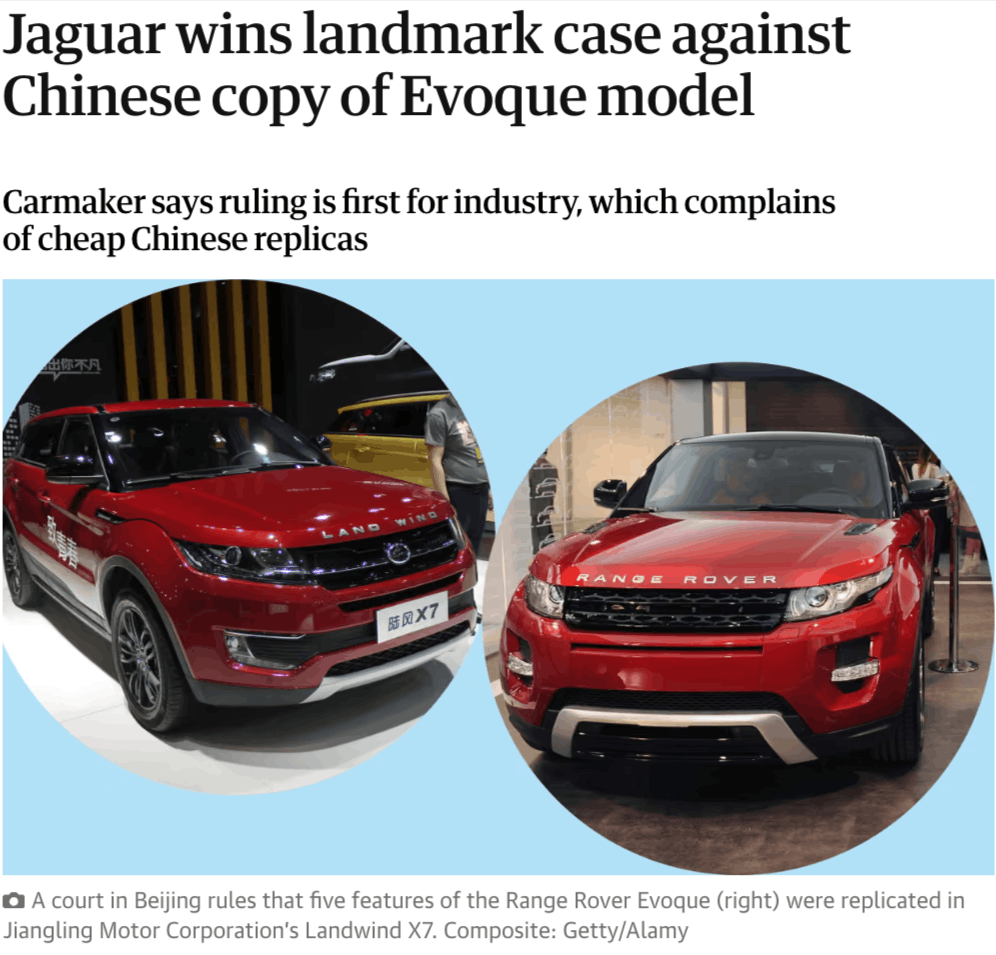
Source: The Guardian
Jaguar ultimately won the case, but the broader fight against IP theft continues.
Mike Rizkalla, Co-Founder and CEO of U.S.-based company Snorble, which manufactures in China, commented:
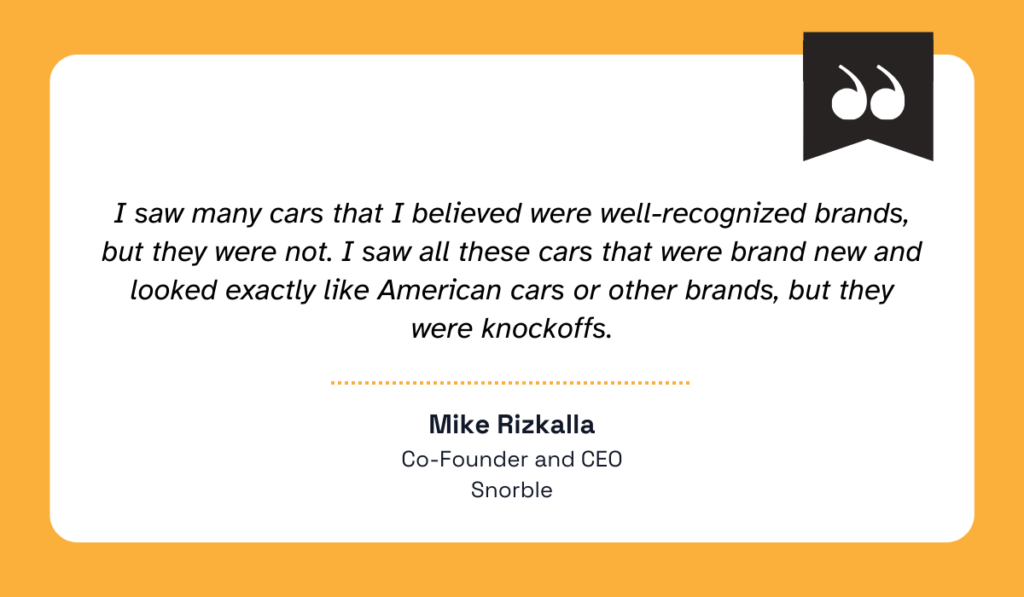
Illustration: Veridion / Quote: Forbes
That’s why he urges companies to develop a well-informed, well-thought-out strategy for protecting their IP, whether operating in China or elsewhere.
The first step is understanding that IP laws and legal systems in China can differ significantly from those in other countries.
Registration of rights in your home country does not automatically confer protection in China.
Therefore, companies must take the time to understand these differences and develop a strategy for protecting, monitoring, investigating, and enforcing their IP within the Chinese market.
Take IP protection seriously from the get-go, educate yourself, and you can significantly reduce risk down the line.
Historically, one of the biggest advantages of manufacturing in China was its low labor costs.
However, this has been steadily changing in recent years, says Wesley Liu, Senior Partner at Integrity Solution, a consultancy specializing in marketing and supply chains:
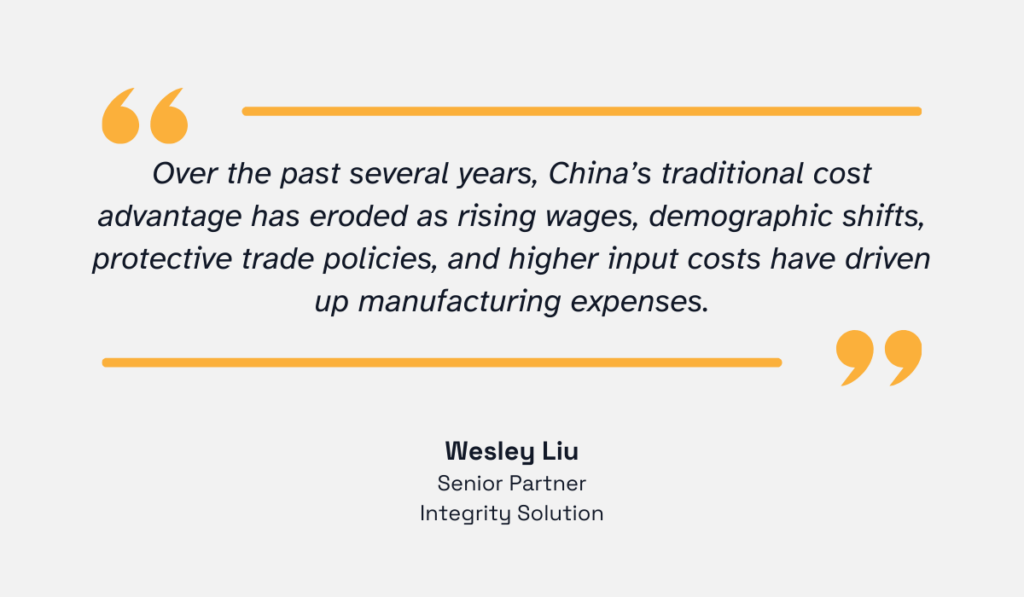
Illustration: Veridion / Quote: LinkedIn
Those who turn to Chinese suppliers expecting cost savings may be making a costly mistake, one that leads to unexpected expenses, operational inefficiencies, and eroded profit margins.
At first glance, the solution to this challenge seems straightforward.
Simply source from a country with cheaper labor, right?
Well, maybe.
While Chinese labor costs may be rising, the country is still considered the “world’s factory” for a reason.
And that reason is its manufacturing ecosystem, maintains Raghunandan Saraf, Founder and CEO of INSARAF, a prominent Indian furniture brand:
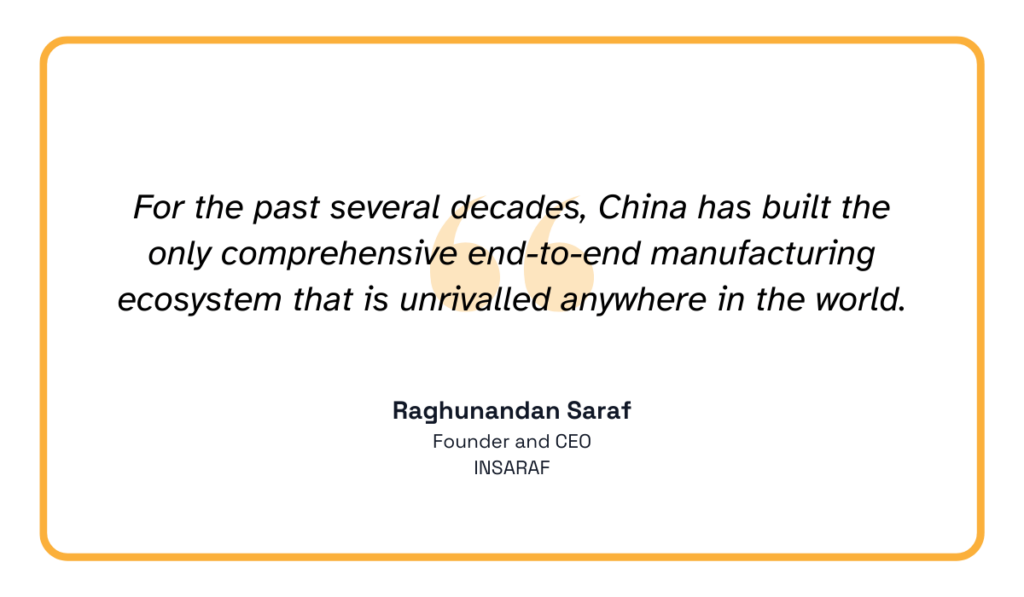
Illustration: Veridion / Quote: India Today
This ecosystem includes deep supplier networks, world-class logistics, reliable power infrastructure, and a highly skilled workforce capable of operating and maintaining complex machinery.
Few other countries can replicate this level of efficiency, Saraf adds:
“In a matter of weeks, a product can be designed, prototyped, tested, modified, and completely mass-produced. Nearly all other economies lack the industrial diversity to accomplish this.”
While this system comes at a higher price, it also minimizes costs associated with delays, defects, and complex coordination, potentially outweighing the impact of higher wages.
That’s why buyers considering manufacturing in China need to thoroughly evaluate both sides of the story.
Yes, the traditional cost advantages are no longer as pronounced as they once were, but alternative sourcing destinations may not offer the same speed or efficiency.
So, to make an informed decision, carefully quantify all potential costs and weigh higher labor expenses against the operational advantages China still provides.
Chinese business culture places strong emphasis on indirect communication and long-term relationship building, commonly referred to as guanxi.
For Western companies accustomed to direct and fast-paced communication styles, navigating this cultural difference can be challenging and may lead to misunderstandings, delays, and conflicts.
After all, poor communication is a killer of any business relationship.
This is even supported by recent research from Grammarly, which shows that ineffective communication leads to productivity loss, increased costs, and extended timelines.
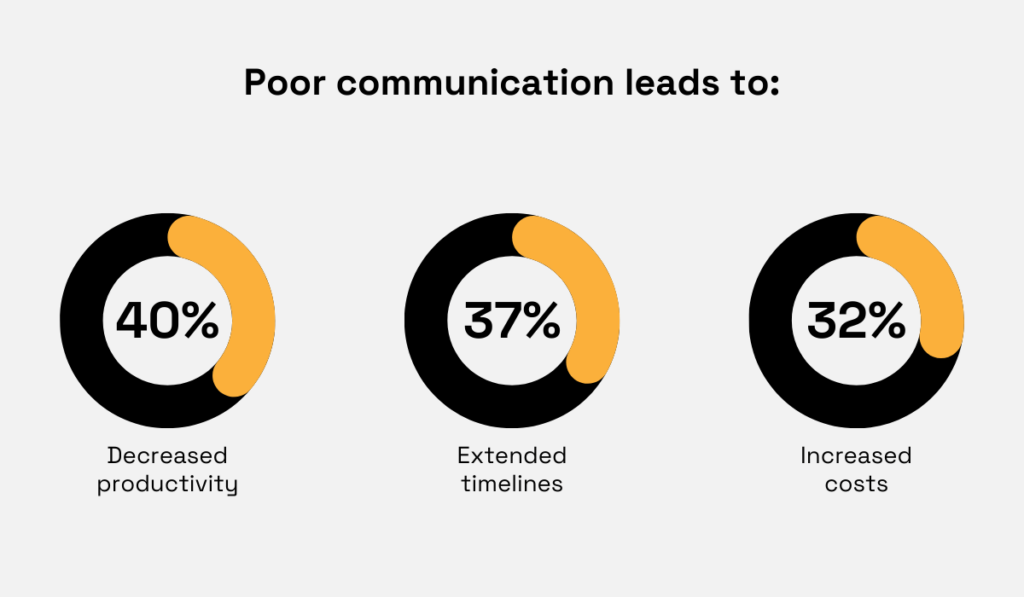
Illustration: Veridion / Data: Grammarly
These risks are even more pronounced in international business relationships.
Sjoerd Goedhart, owner of Goedhart Interim Management & Consultancy, has seen it firsthand during his career as a procurement professional.
He notes:
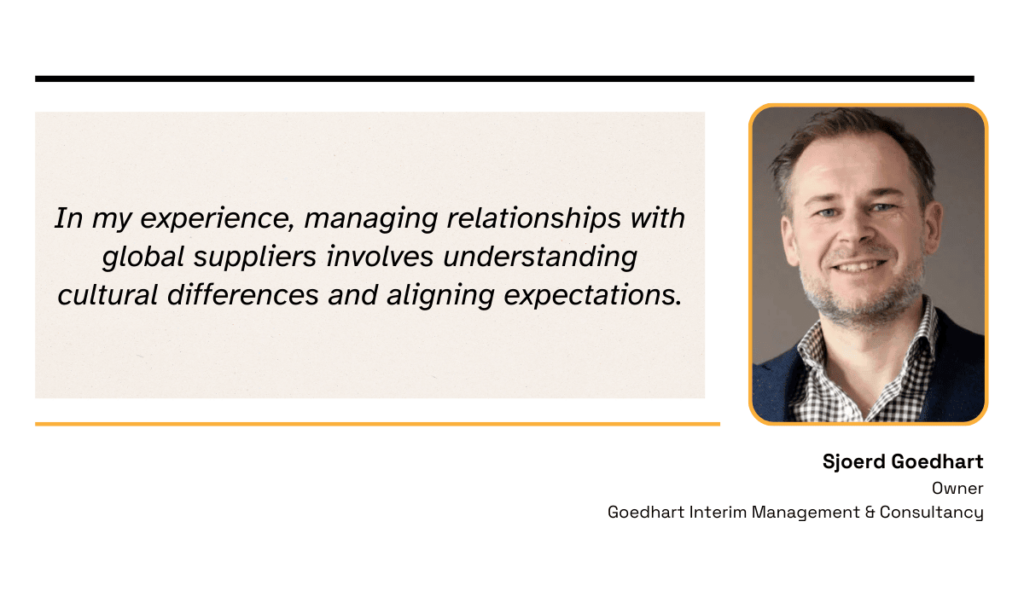
Illustration: Veridion / Quote: Procurement Tactics
Goedhart explains that various aspects of business, like negotiations, can differ drastically between cultures, and a lack of preparation and cultural awareness can result in costly complications.
He adds:
“Ultimately, cultural sensitivity and adherence to agreed terms are key to successful global procurement relationships.”
All in all, before sourcing from China, it’s important to recognize that successful and sustainable partnerships require time and commitment to relationship building.
Over there, business relationships are rooted in personal connections, and face-to-face interaction is vital for exchanging critical information and building trust.
That’s why, ideally, buyers should visit their suppliers regularly in person.
While intermediary companies can act on a buyer’s behalf and save a lot of time, they often reduce direct control and lack the personal touch that comes with building relationships firsthand.
Veridion is an AI-driven business intelligence platform that provides companies with real-time, rich data on businesses worldwide.
As such, it helps mitigate key failure points in China-dependent supply chains by offering data-driven support during two key phases: sourcing and monitoring.
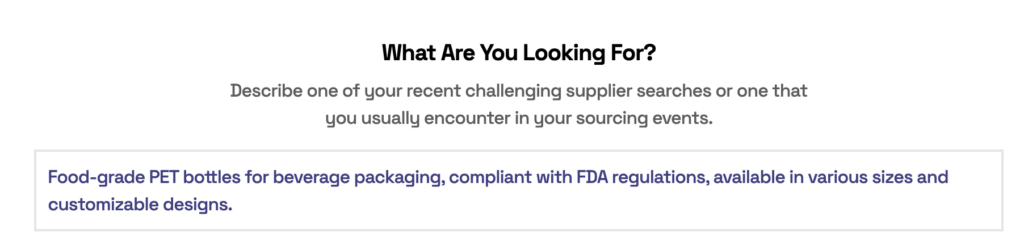
For one, with Veridion’s latest tool, Scout, you can access a global database of over 10 million Chinese suppliers to find the one that perfectly matches your needs.
Simply describe what you’re looking for in natural language, and Scout delivers results instantly, like so:
Source: Veridion
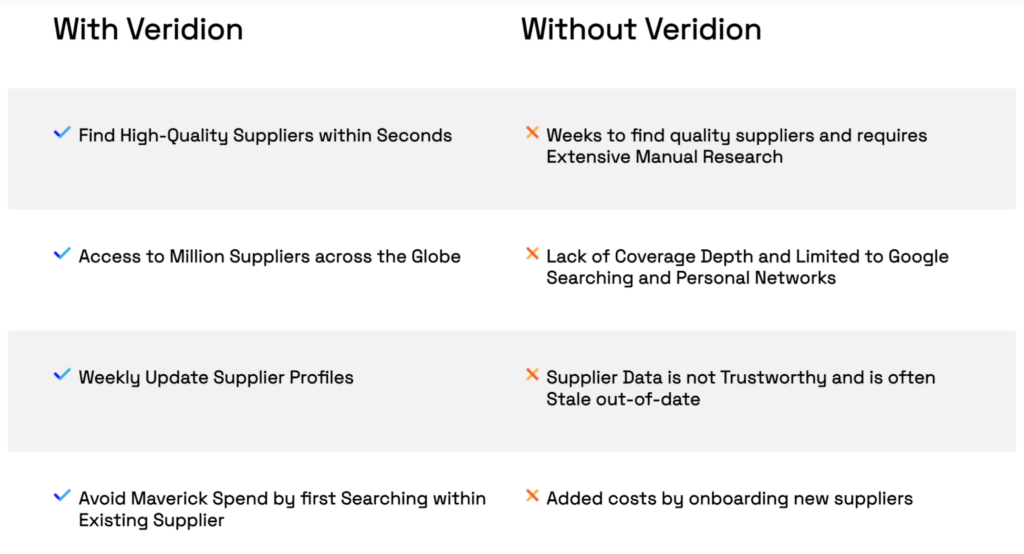
You can even refine your search using a variety of filters, including production capacity, delivery
lead times, certifications, or sustainability practices.
This ensures you choose suppliers who are truly reliable, compliant, and offer the best product quality.
Source: Veridion
No more unwanted surprises and disappointment down the line.
However, at Veridion, we understand that successful supplier relationships are about more than just finding a good match.
In order to fully minimize risk, you also need to constantly monitor your partners’ performance.
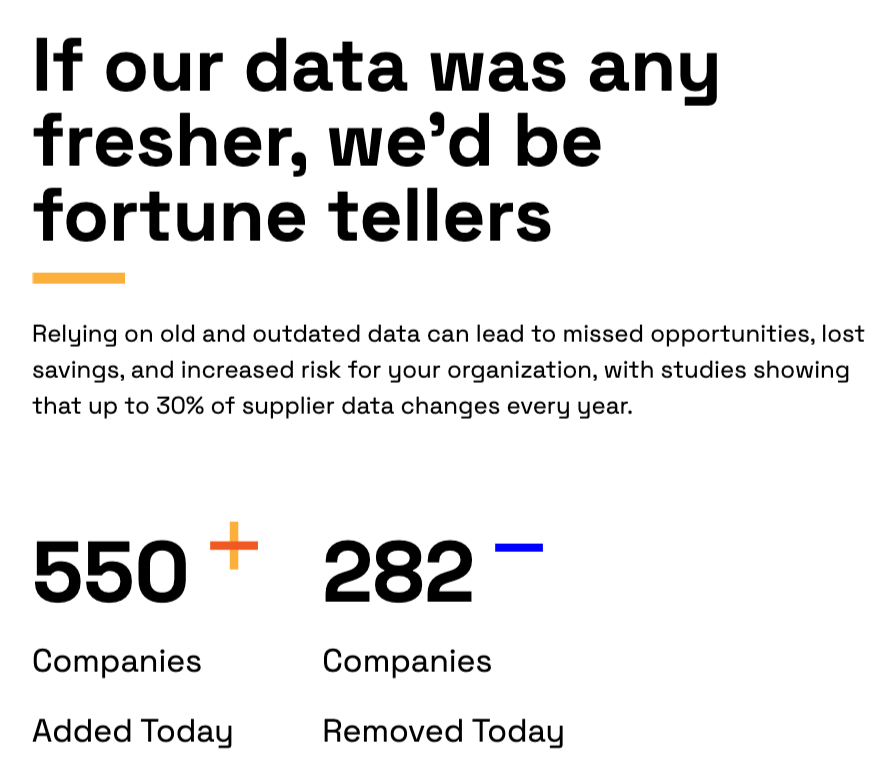
That’s why we refresh our data weekly and offer enrichment for your existing supplier records.
Source: Veridion
This keeps you fully informed about your partners, even those beyond Tier 1, allowing you to identify potential risks early and act before they escalate.
And Veridion helps you uncover every type of supplier risk, from foreign ownership and regional
risks to financial, ESG, and product-related issues.
We see it all, and with Veridion, so can you.
The point of this article isn’t to discourage sourcing from China.
On the contrary, it outlines many reasons why China is still one of the top destinations for finding suppliers.
Instead, the key takeaway should be that relying solely on China isn’t the most prudent strategy moving forward.
The global landscape is changing, and business is no longer as predictable as it once was.
To stay ahead of potential risks, you need to thoroughly vet your suppliers, carefully research Chinese laws and customs, and, most importantly, start thinking about diversification.
China can definitely be a fantastic partner.
But it doesn’t have to be your only one.