Insights / Articles
How Competitive Analysis Helps SaaS Companies Make Better Decisions
Struggling to make informed decisions in the competitive SaaS landscape? Master saas competitive analysis to gain a strategic edge and drive growth.

Your competitors are making decisions right now that could affect your business tomorrow.
The question is: will you see them coming before they affect your growth, or not?
For SaaS companies, building a better product is only half the battle.
The other half is understanding what your competitors are doing, where customer expectations are headed, and which market changes could easily impact your industry next.
In this guide, we'll explore the ways you can make better decisions for the growth of your SaaS while gaining this understanding.
Building a Truly Unique Value Proposition
Saas is undoubtedly one of the most competitive and crowded industries we have right now.
Which means, most companies have five, ten, sometimes twenty other tools that promise almost the same outcome.
So how do you expect your buyers to tell you apart?
Through competitive analysis, it shows you precisely what every rival already claims, which means you can build a value proposition from a gap that nobody else is standing in.
This is even more important because, according to Crayon's 2025 State of Competitive Intelligence report, you run into a direct competitor in 68% of deals, yet your average sales team has a competitive readiness of just 3.8 out of 10.
That can cost you up to $10 million in lost deals every year.
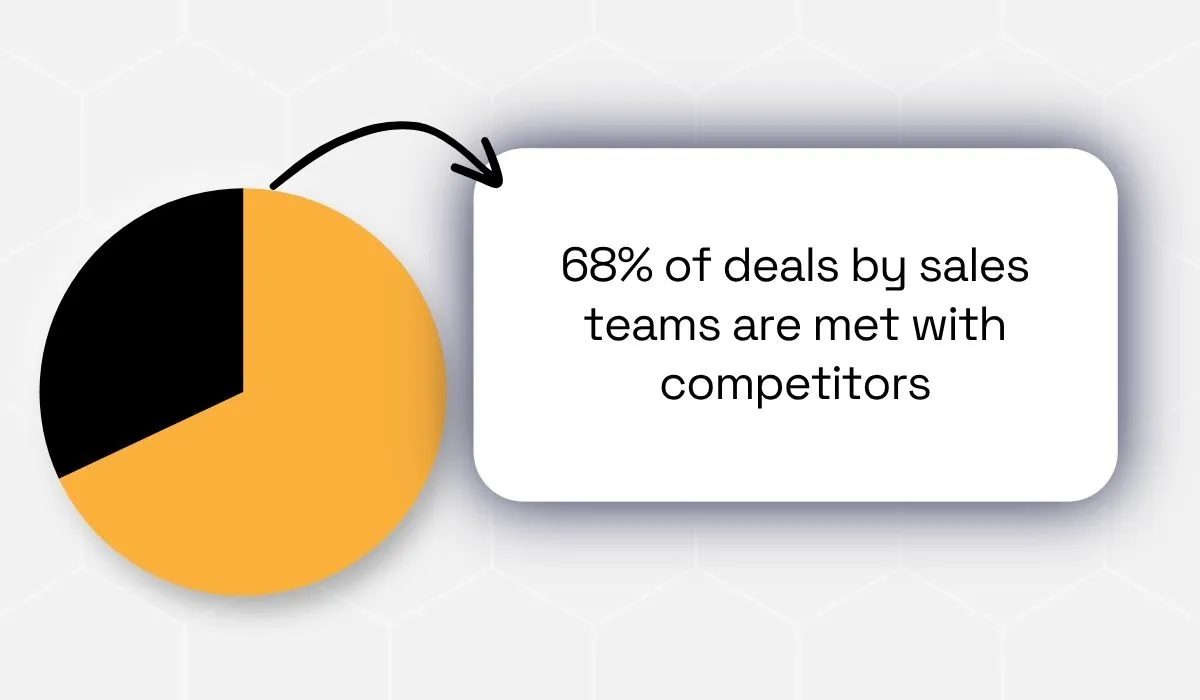
To avoid losing that much, being completely in tune with your competitors is a necessity.
It's also a need that's been made easier with frameworks like Jobs-to-be-Done and the Value Proposition Canvas.
These frameworks force you to map what a buyer is trying to accomplish, then check that against what your competitors already offer,
So when you pitch, you don't have a generic UVP; you focus your angle on the one thing they're missing instead of restating what they already say.
RightMessage, a website personalization platform, is a perfect example of the impact of a generic UVP.
When they launched their personalization tool, they had nothing unique setting them apart, and their pitch tried to cover nearly everyone, including SaaS companies, ecommerce stores, creators, and even plumbing businesses.
When customers signed up, they had no clear sense of how the tool applied to their specific situation.
This ended up stalling their growth and dropping monthly recurring revenue from $35,000 to under $20,000.
The founders had to step back from actively building the product for close to two years.
You don't want to be RightMessage.
A UVP that is just like everyone else appeals to no one and ends up defending nothing.
A defensible UVP comes from knowing exactly what everyone else in your space is already saying, then building on the one thing none of them are talking about.
Discovering New Opportunities Before Anyone Else
Competitive analysis does more than confirm what your competitors already know
When the data is collected consistently, it shows you a bigger picture of where the market is heading before your rivals notice, because you are actively watching what is happening outside your own company instead of only tracking your own numbers.
Enrico Vonghia, Director of Markets and Competitive Intelligence at SUEZ Water Technologies & Solutions, explains this plainly:
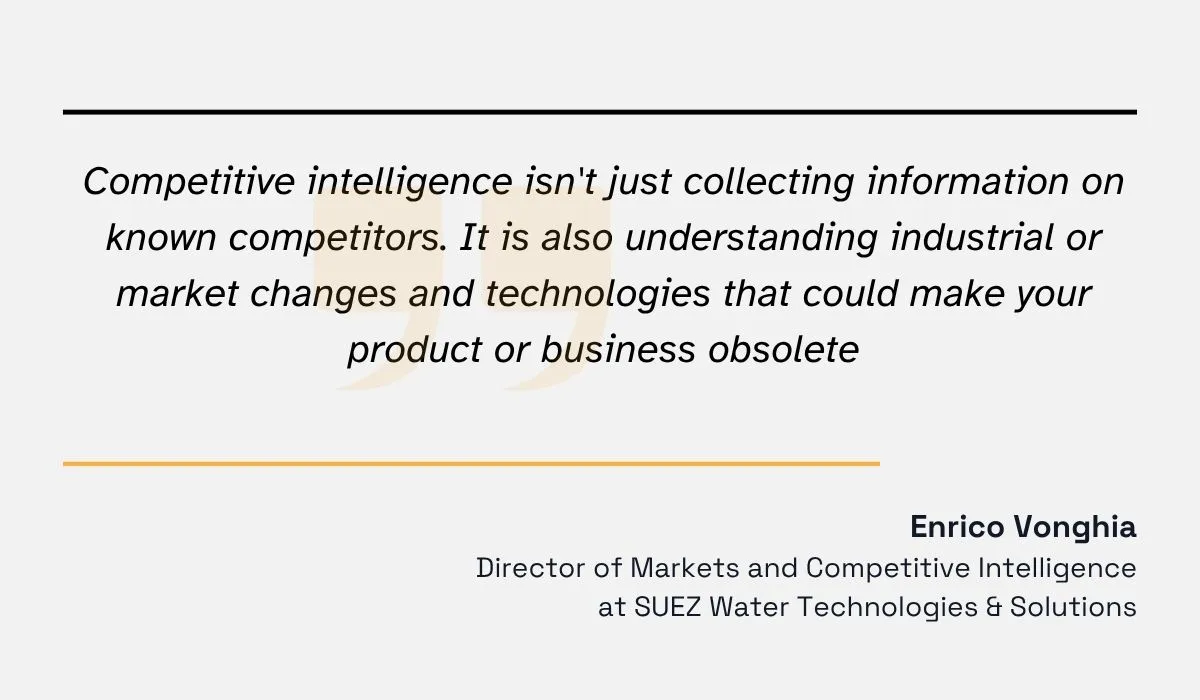
Illustration: Veridion / Quote: Enrico Vonghia
This is important because most teams spend their time studying their own product, support tickets, and sales numbers.
That tells you a lot about your current customers, but nothing about the:
- A competitor is about to win
- Trend forming in a different part of the market
- A segment of buyers nobody is building for yet.
Competitive analysis, on the other hand, easily fixes that by keeping your attention pointed outward, on purpose, instead of only inward.
Ignoring this outward attention has gotten more expensive because Crayon's Competitive Intelligence report shows that 94% of companies say their markets have grown more competitive.
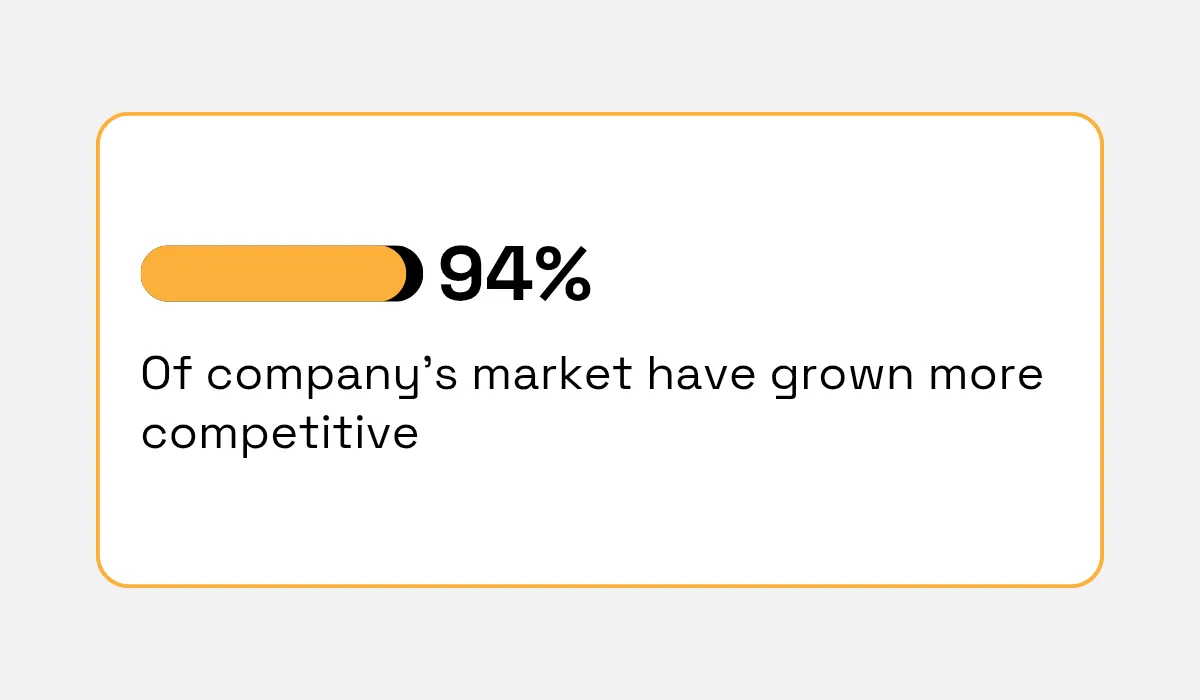
This shows that the growth is not just for SaaS, so when nearly every company in your space feels that pressure, you can't afford to be caught off guard by a rival who saw an opportunity first.
AB InBev, the world's largest beer and beverage company, saw a market opportunity early and took advantage of it.
Its small and medium retail partners were struggling with manual ordering, limited access to credit, and almost no visibility into their own inventory.
AB InBev saw this gap and built BEES, a B2B ordering and data platform, and piloted it with retailers in the Dominican Republic in April 2020, well before rival beverage distributors offered anything similar.
That head start came from paying close attention to what retailers were struggling with, and it applies just as well to spotting an unmet need, a forming trend, or an underserved segment before it becomes obvious to everyone at once.
Building Marketing Strategies That Work
Right now, one of your competitors has an ad running that has not changed in six weeks.
That ad more often than not has earned its place with conversions, which in turn tells you what that competitor is claiming and how customers are reacting to it.
This one piece of public data can inform three different marketing decisions at once:
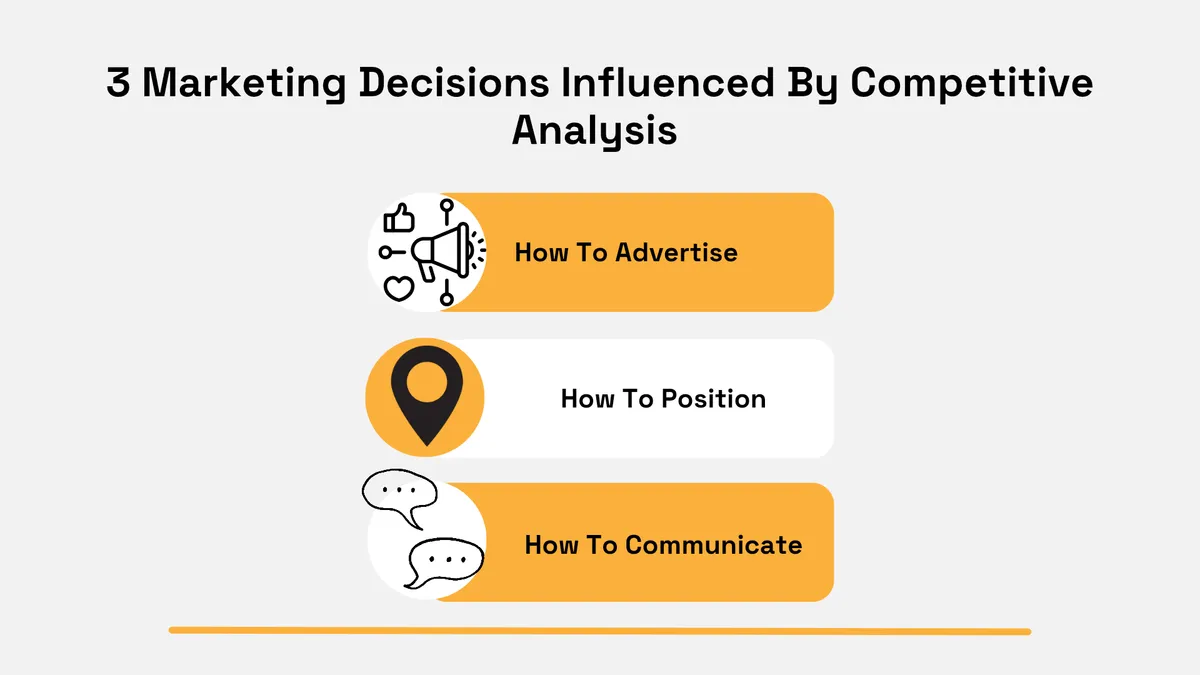
Source: Veridion
But, seeing that ad alone is definitely not enough, you need to be able to analyse it using platforms like Meta's Ad Library and Google's Ads Transparency Center.
These platforms not only make the data easy to find, but they also show every ad a competitor currently has running, as well as three important signals that are still keeping those ads running.
The first signal is the run duration, and it is exactly what that six-week-old ad was signaling.
An ad still live after weeks has earned continued spend, so it works, which tells you which offer or angle is already proven for your own advertising.
Variant count is the second signal. When a competitor runs several close versions of the same ad at once, that is an active test that indicates that they have not settled on a claim yet.
The third signal looks past the offer and the claim, and into the actual language.
It is the messaging pattern, it's what the headlines and copy repeated across a competitor's live ads reveal, plus it shows you the specific words your shared audience already responds to.
Once you've analysed those three signals, they mean nothing if you don't implement them in your marketing strategy.
To do that, look at the variant count that's common across your competitors and use that opening to create and position your UVP in your homepage copy and ads.
However, while doing this, you want to limit how much time you spend tweaking new ad formats, so using an angle that has been known and responded to by your audience saves your time and also improves the ROI you get on your marketing.
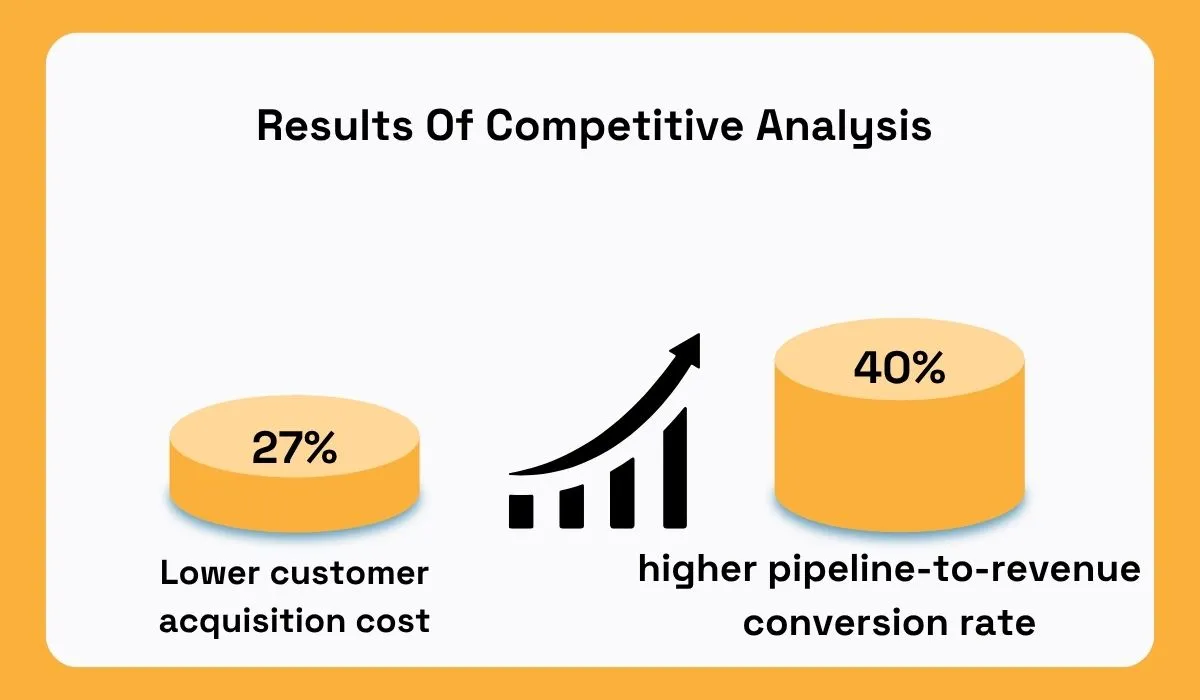
The results of this analysis are a 27% lower customer acquisition cost and a 40% higher pipeline-to-revenue conversion rate, according to Gripped’s 2025 Survey.
That advantage comes from reading what competitors are already spending money to prove, then building your own marketing strategy on top of it.
Understanding the Ever-Changing Customer Preferences
What your customers want changes faster than you think, and it rarely gets said directly.
It's also easy to think you can satisfy this change with a simple personalisation.
But the best way to get as much insight into what your customer wants is through their reviews, complaints, and praise.
But almost nobody reads them systematically enough to act on what they show.
When pulled apart, the data breaks down into:
The specific feature or moment someone reacts to, it could be a slow setup or a confusing price page.
How urgent it feels to them. Are they mildly annoyed or ready to cancel their subscription?
And who is saying it, an enterprise IT lead and a solo freelancer would rarely flag the same issue, so treating both as the same is pointing in the wrong direction.
Turning that raw data into something usable is where sentiment analysis and segmentation come in.
Sentiment analysis breaks the review down by aspect, separating complaints about onboarding from complaints about pricing and complaints about support response time, so you know precisely which part of the experience you'd like to prioritise on.
While segmentation then sorts that same feedback by company size, industry, or role, because what's a priority for a five-person startup rarely matters to a five-thousand-person enterprise buyer, and building a fix around the wrong segment wastes the insight entirely.
This customer analysis is not something that can be done as a one-off project because your customers are changing what they prioritise every day, and you can't afford to be left behind.
In fact, their reviews, according to Gartner Digital Markets, now rank reviews above personalized product demos, user guides, and case studies as the most-used source in the entire buying process.
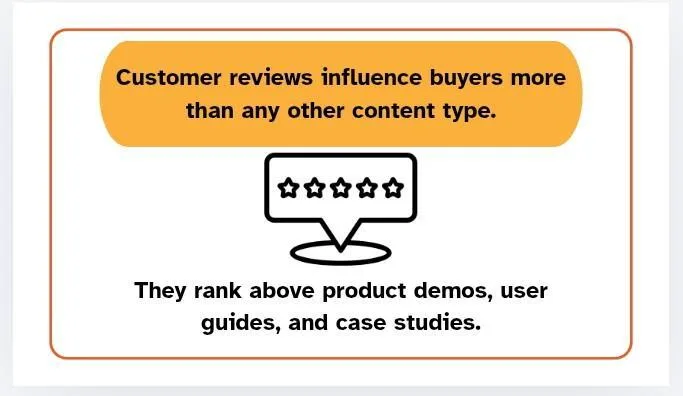
That alone tells you that your buyers are not weighing personalization as the utmost priority when making purchases, but rather the experience of other buyers.
Foreseeing Potential Risks Before They Hit You
You can't defend against a threat you haven't spotted yet.
That's because you only start noticing the threats when they're happening inside your own walls.
But by the time this happens, it's going to cost you more than you could think of.
Take Chegg, an online education technology company, for example.
On its Q1 2023 earnings call, CEO Dan Rosensweig told analysts that since March, the company had seen a significant increase in student interest in ChatGPT, and it was having an impact on their new customer growth rate.
If this had been caught with competitive customer analysis earlier, they could have found a way to reduce their loss.
However, since they only caught it when it started having effects on their revenue, the revenue had already dropped 7% year-over-year, which eventually led to their stock falling nearly 50% in a single session.
That loss is what competitive analysis helps you prevent.
Because most new competitors pose a different but related risk. They don't always announce themselves with a press release.
Often, the first sign will be a company expanding its product catalog into your category, or opening operations in a region you thought was yours, and if you're only tracking your own pipeline, there's a high chance you won't notice until they're already bidding against you for the same customers.
That's why you need a competitive analysis tool like Veridion to help foresee these risks before it's too late.
Rather than relying on scattered news updates or manual research, with Veridion, you get over 123 million businesses worldwide, and their data is refreshed weekly to give you an up-to-date view of what's changing across industries.
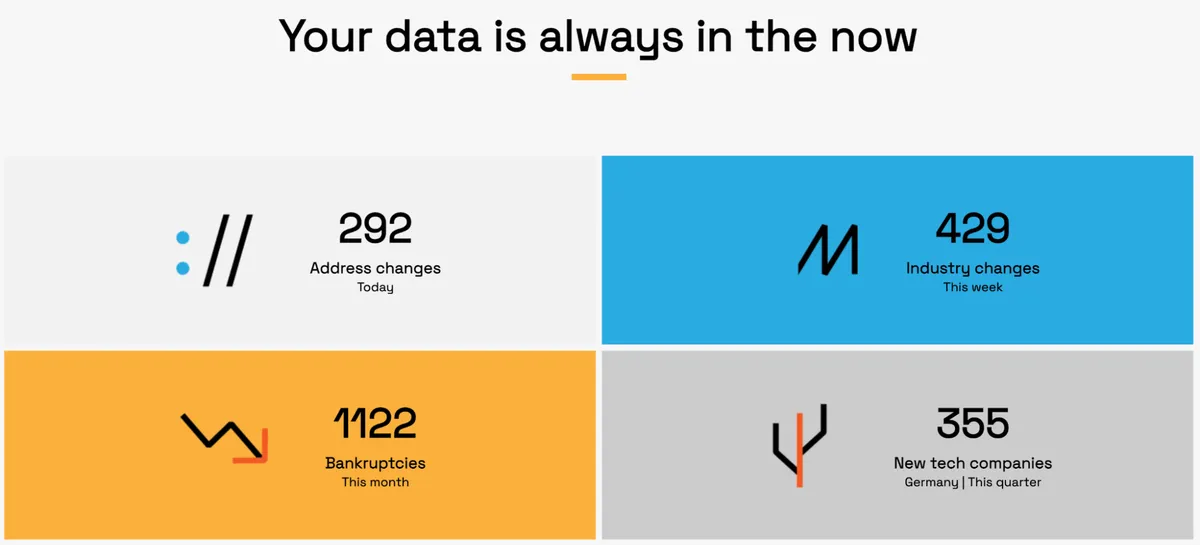
Source: Veridion
This means you can monitor signals like:
- Product expansion
- New company capabilities
- Geographic growth
- Supplier relationships
And other operational changes.
Instead of reacting after a new entrant starts winning customers, your team has time to adjust its positioning, work on its messaging, strengthen partnerships, or improve product development without suffering any losses.
Conclusion
Every decision your SaaS company makes is stronger when it's backed by a clear understanding of the market around you.
It doesn't matter if you're refining your value proposition or trying to understand your customer expectations; you'll need to understand the market early enough to grow faster.
Your competitors aren't standing still, and neither are your customers.
Articles
Discuss how these trends affect your organization.
Our analysts are available for a short call. Bring a specific question and we will ground it in the data.
Insights
Keep reading
More analysis, research, and outcomes grounded in live company intelligence.
How Market Intelligence Drives Smarter Business Decisions
Want to improve your decision-making process? This guide will show you how to leverage market intelligence for business growth.
9 Essential Sources of Market Intelligence
Want to boost your market knowledge? These 9 market intelligence sources will show you where to look and how to apply the insights.
6 Most Important Market Intelligence Metrics
Discover six must-track market intelligence metrics that can sharpen your competitive edge and support data-driven growth.