Insights / Articles
Verifying if a Business is Still Active (Without Calling Them)
Tired of chasing down businesses that might be inactive? Learn how to track company status and verify active vs inactive businesses.

- 65.3% of businesses close within 10 years, making continuous verification essential.
- Over 70% of business contact records change within a year.
- Combining multiple public signals improves confidence in active business verification.
- Continuous monitoring helps identify risks before they disrupt business operations.
Ever called a supplier only to hear that the number is no longer in service?
It happens more often than you'd expect.
A business may still have a website, appear in online directories, and even show up in search results, yet it may no longer be operating.
For procurement, sales, and third-party risk teams, this is a huge data and operational risk.
So, how do you verify whether a business is still active without calling every company individually?
One way is through automated scraping and continuous web monitoring, which analyze publicly available digital signals to determine whether a business is still operating.
Read on to learn how.
Why Automated Scrapers and Web Activity Monitoring Outperform Manual Status Checks
Checking business status by hand involves picking up the phone or googling each company one by one.
That may work fine for five companies.
But it becomes impossible the moment your list grows into the hundreds or thousands.
Automated scrapers and web monitoring tools solve this problem.
They don't just do the same job faster. They do a different, more thorough job altogether.
Here's how:
Faster Processing of Large Company Databases
Think about how many businesses actually exist, and how many quietly disappear every year.
According to LendingTree's analysis of data from the U.S. Bureau of Labor Statistics, 22.1% of new private-sector businesses fail within their first year.
By the tenth year, that number rises to 65.3%.
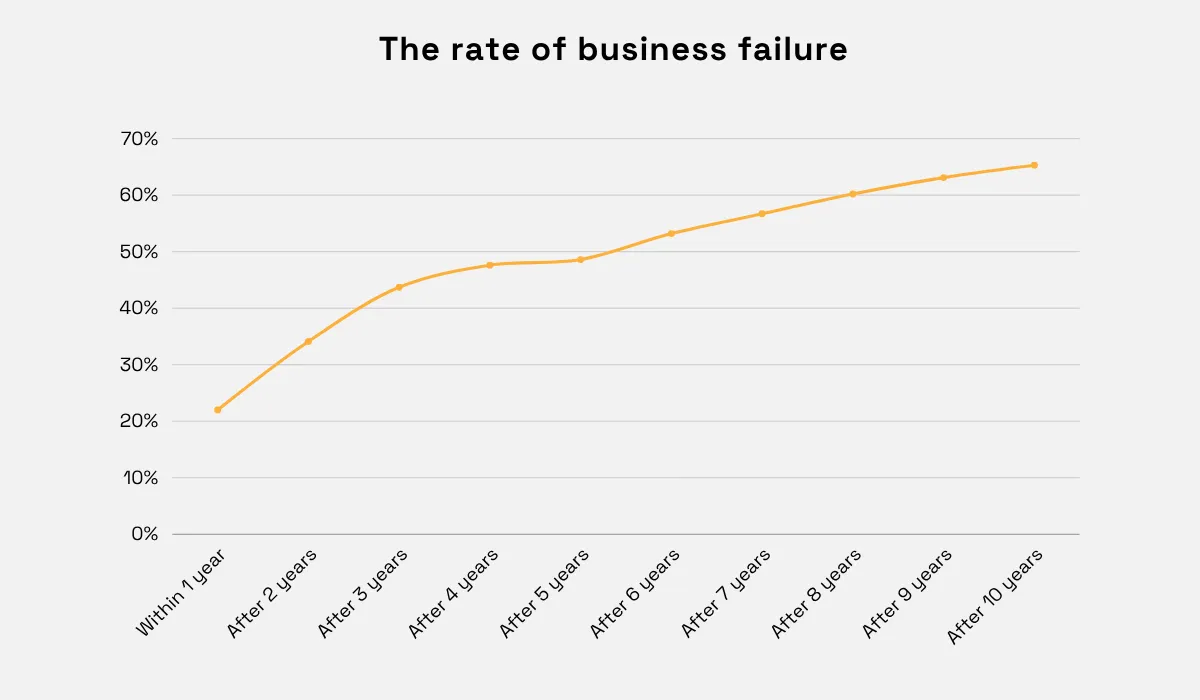
Illustration: Veridion / Data: Lending Tree
In other words, nearly two out of every three businesses that start today will no longer exist a decade later.
Now apply that level of business turnover to a supplier network containing 10,000 companies or a prospect large database with one million records.
Even if a data analyst spends just five minutes verifying each company by checking its website, calling its office, reviewing business directories, and confirming contact details, the process would take months to complete.
Determining which companies are genuinely active requires checking multiple sources, a task that’s impractical at scale.
Automated monitoring solves this by simultaneously collecting signals from:
- company websites
- government registries
- business directories
- news articles
- career pages
- social media
Looking at these sources together provides a much clearer picture of business activity than relying on a single phone call or website.
For example, a company's website may still be online, but if its registry status shows 'dissolved,' hiring has stopped, and its LinkedIn page has gone silent, the combined signals strongly suggest it is no longer operating.
Rather than repeatedly verifying every company from scratch, automated scrapers process entire databases in a fraction of the time, identify businesses showing signs of inactivity, and surface only the records that require investigation.
Reduced Manual Effort and Human Error
Manual verification simply cannot keep pace with business databases that change every day.
Different analysts often rely on different sources, leading to different conclusions about the same business.
One reviewer may check only a company website, while another also reviews government registries, LinkedIn activity, news coverage, and customer reviews.
Research by DreamHost highlights how common these inconsistencies are.
After reviewing 230 local businesses, the company found that a shocking 53% had conflicting information between their Google Business Profile and website!
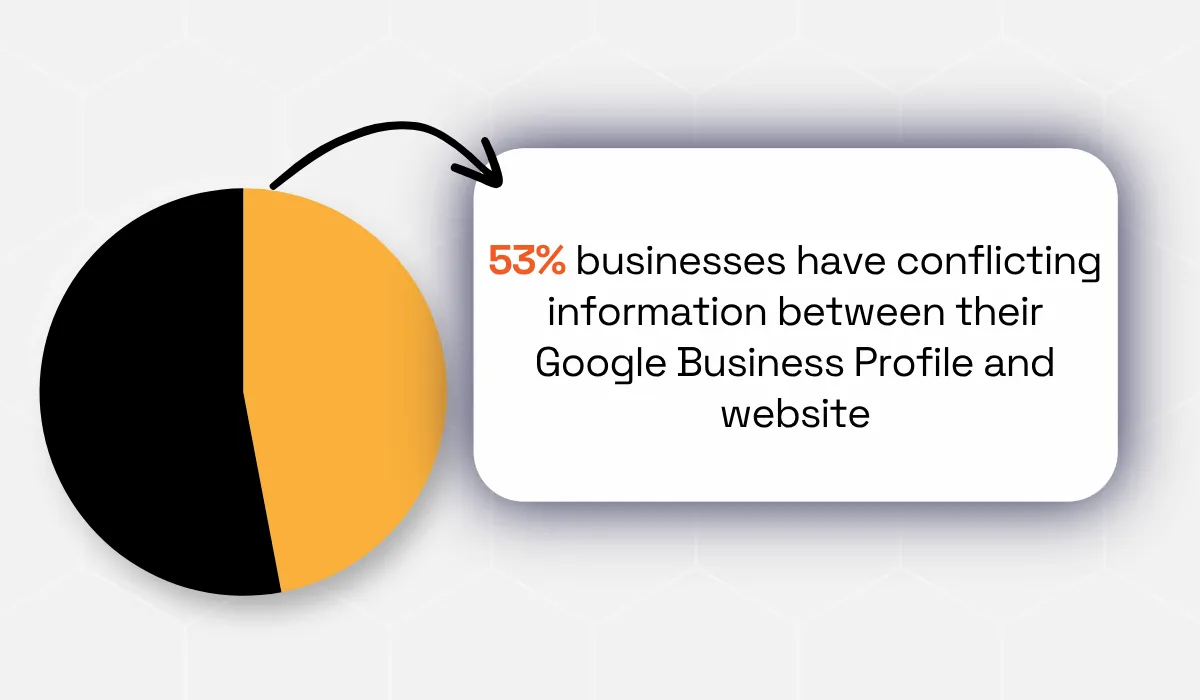
Only 47% displayed consistent business details across every field that was examined.
These conflicting signals make it difficult to determine which source reflects the company's current status.
So, for teams that rely on manual verification, this often means spending extra time validating information across multiple sources, such as phone number, website, or address.
And sometimes, the consequences go far beyond just an incorrect phone number.
Target's expansion into Canada depicts clearly what manual data verification can miss, and what it costs when it does.

Source: Retail in Detail
During its 2013 launch, merchandising staff manually entered details for roughly 75,000 products into SAP, the system running the company's entire supply chain.
An internal investigation later found the information was accurate only about 30% of the time, compared to 98–99% accuracy in Target's existing U.S. systems.
Because there was no effective process for identifying and correcting errors as they were entered, inaccurate product data spread throughout the supply chain.
Warehouses filled with inventory could not sell while customers encountered empty shelves where products should have been available.
Within two years, Target exited Canada entirely, closing all 133 stores after reporting losses of approximately $2.5 billion.
Target accepted that bad data (inaccuracies, manual filing) played a huge part in its failure.
Automated monitoring can help avoid such failures by applying the same validation process across every record.
Instead of relying on a single source, it compares multiple public signals, identifies conflicting information, and flags unusual changes for review.
Unlike human reviewers, automated scrapers do not become fatigued, helping organizations maintain consistent data quality regardless of database size.
For organizations managing thousands of business relationships, that consistency is just as valuable as the speed automation provides.
Continuous Monitoring of Business Activity Changes
Verifying a business once doesn't mean it will still look the same six months later.
Companies can relocate, change leadership, update contact details, merge with competitors, or just quietly stop operating.
And yet many organizations revisit records only during annual reviews or when an issue arises.
The problem is that business data decays far more frequently than most organizations expect.
According to an independent survey of 1,025 business professionals conducted by IndustrySelect, 70.8% of business cards underwent at least one change over 12 months.
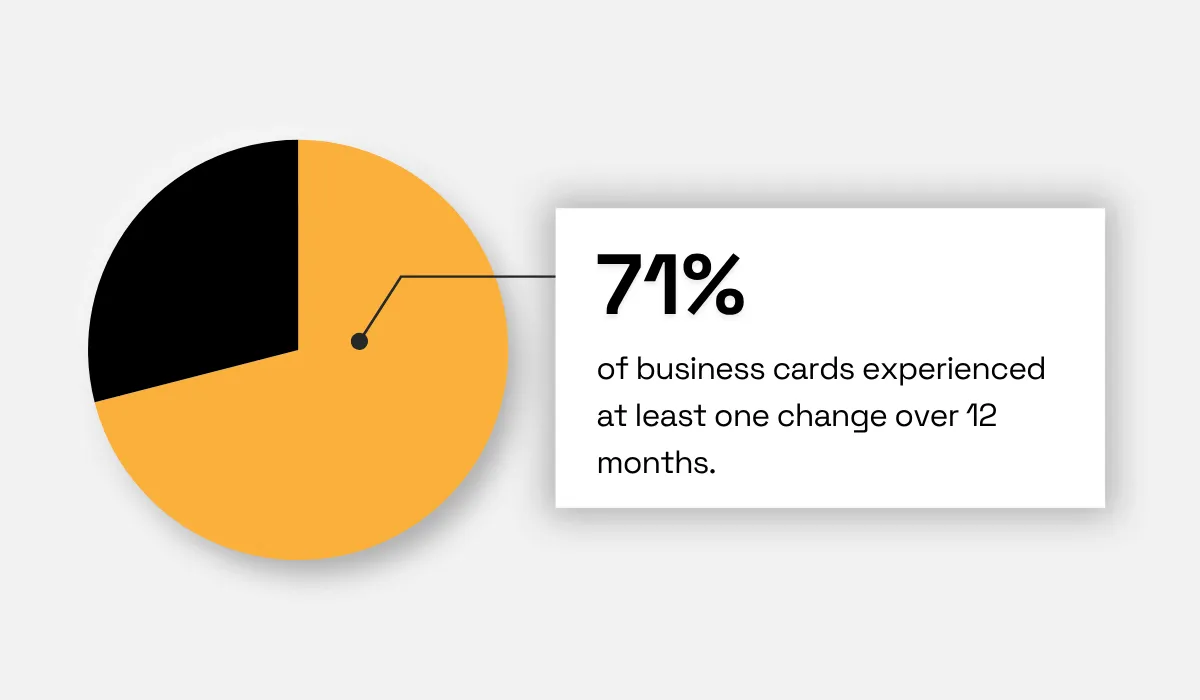
Illustration: Veridion / Data: IndustrySelect
The same company data also reveals how quickly business records become outdated:
- 42.9% of contacts had a new phone number.
- 41.9% had a different business address.
- 37.3% changed their email address.
- 29.6% were no longer with the same employer.
These figures explain why periodic manual reviews quickly lose their value.
A supplier verified during onboarding may have new contact details, a different office location, or even a different operating status by the next review cycle.
Combining diligent web monitoring with scrapers can help solve this by continuously tracking public signals that indicate changes in business activity.
Proactive Risk Assessment
Most organizations discover that a supplier has become inactive only after something goes wrong, whether a failed payment or a customer relationship built on outdated information.
This reactive approach remains surprisingly common.
According to PwC's Global Third-Party Risk Management Survey, 60% of organizations have not conducted a comprehensive risk assessment across their third-party ecosystem.
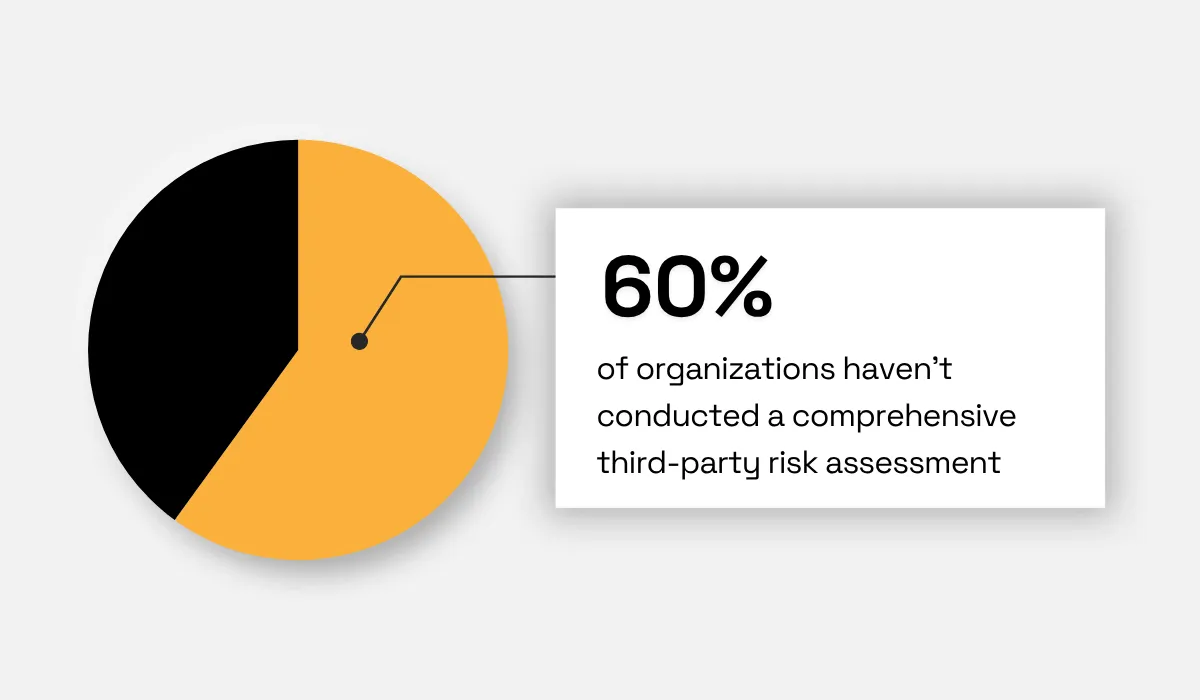
That means many businesses continue working with suppliers and partners without regularly reassessing whether the information they rely on is still accurate.
Automated business activity and web monitoring change that by helping organizations identify warning signs before they become business problems.
Instead of waiting for a contract renewal or annual review, teams can be alerted when a company disappears from business directories, removes its product catalog, stops hiring, or shows other signs of declining activity.
These signals provide an opportunity to investigate before they affect procurement, lending, compliance, or customer relationships.
The importance of maintaining risk-free data is also reflected in regulation.
Under Article 5(1)(d) of the GDPR, organizations are expected to take reasonable steps to ensure personal data remains accurate and, where necessary, kept up to date.
Governments are also thinking in the same direction.
The UK's Economic Crime and Corporate Transparency Act strengthened Companies House's powers to improve the accuracy of its register.
Between March 2024 and March 2025, Companies House removed false or misleading information linked to 100,400 companies and rejected over 10,200 suspicious applications.
Companies House chief executive Louise Smyth throws light on the accuracy and reliability of its register:
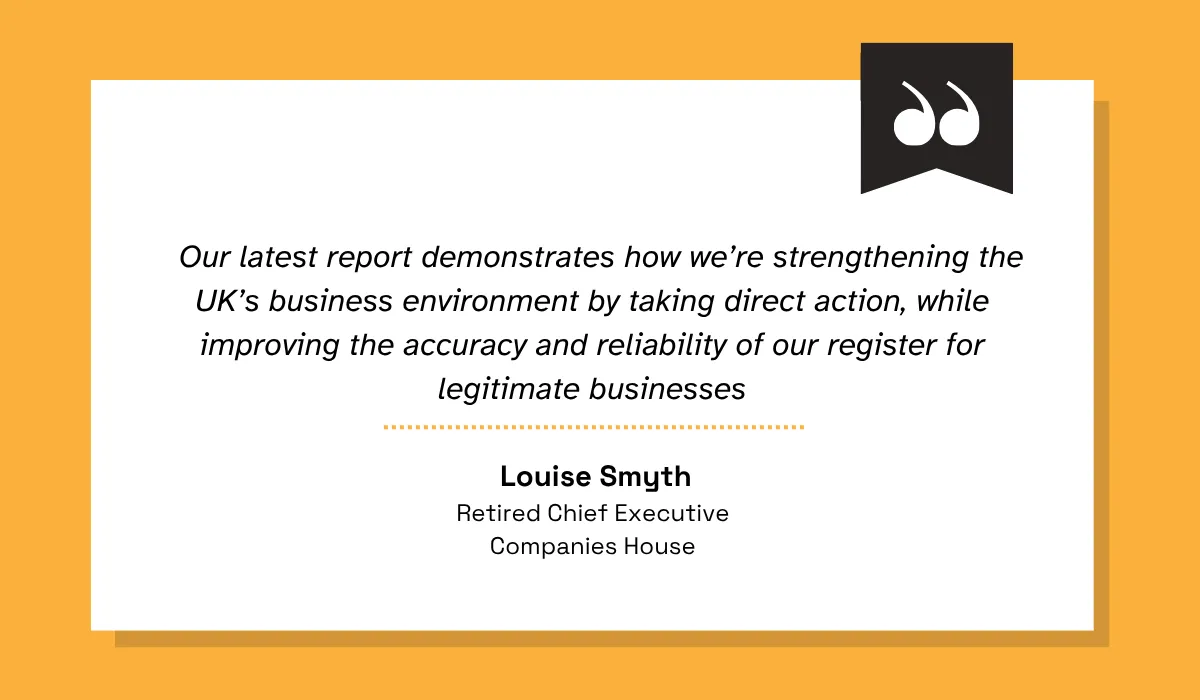
Illustration: Veridion/ Quote: Sovereign Group
So, rather than simply recording company information, regulators are increasingly taking steps to verify information and reduce associated risk.
The same approach benefits businesses.
Whether it's a lender reviewing a loan application, a procurement team assessing suppliers, or an insurer evaluating commercial policyholders, every decision depends on reliable business information.
Now, automated scrapers or web monitoring do not replace human judgment.
It just ensures that decisions are based on current, verified business intelligence rather than outdated records.
The earlier organizations detect change, the more effectively they can manage risk before it turns into a costly problem.
Putting It All Into Practice: How Companies Use Automated Business Status Tracking
Identifying the right data signals is important, but the real challenge is tracking them consistently across large business databases.
And that’s where automated business status tracking comes in.
It continuously monitors publicly available business signals, helping organizations identify changes as they happen and maintain accurate company records over time.
And here’s why it matters.
McKinsey's research on master data management found that 82% of organizations spend one or more days each week resolving master data quality issues, while 66% still rely on manual reviews to manage it.
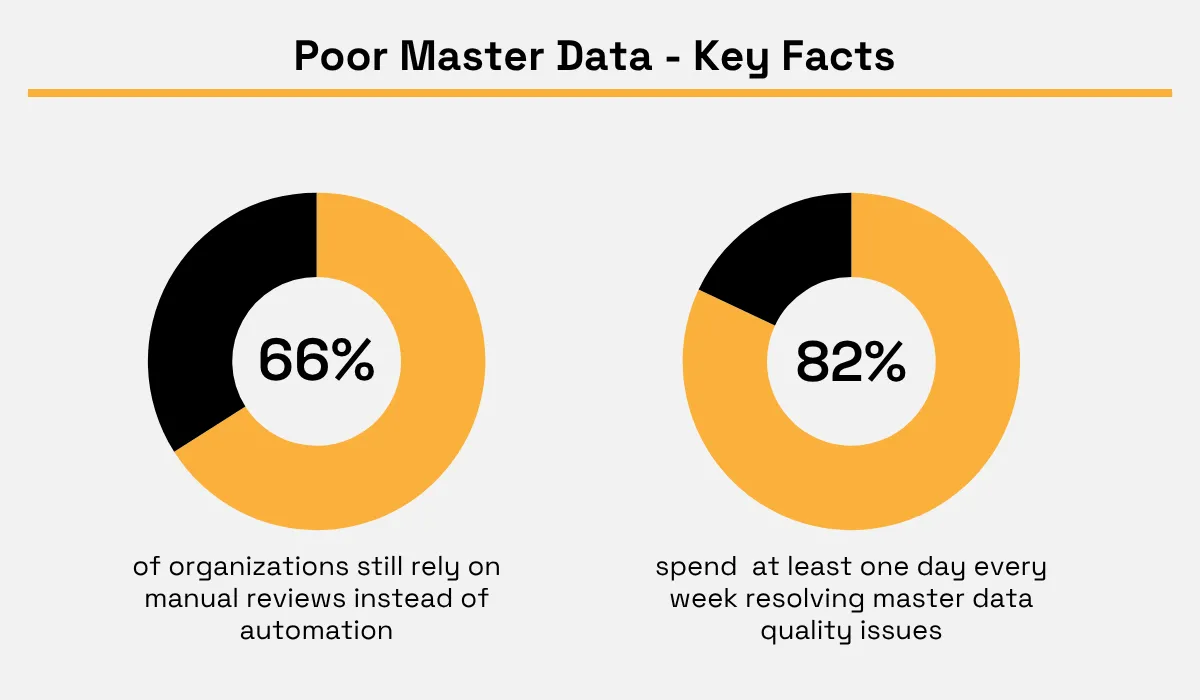
Automated business status tracking helps prevent exactly this by reducing the time spent fixing stale records and giving teams reliable data to support procurement, compliance, sales, and third-party risk decisions.
Veridion is one platform that helps companies put this into practice.
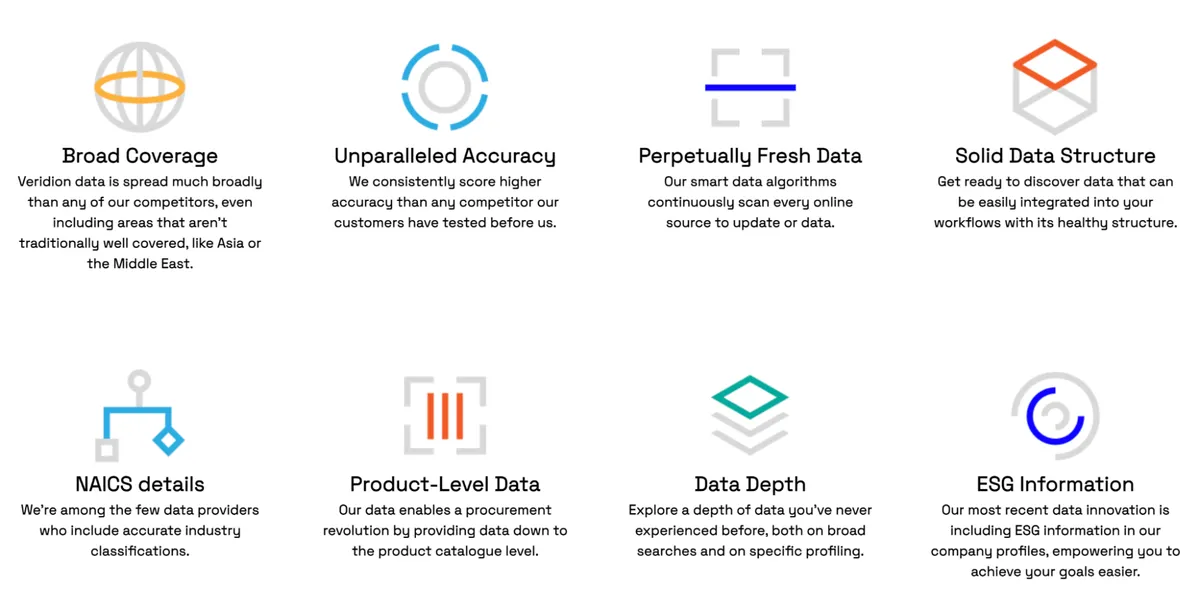
Our AI-powered company intelligence platform continuously collects, resolves, and validates publicly available business information to maintains records for more than 693M companies across 250 countries and territories.
Built on a living company graph, the platform continuously re-evaluates company records as new evidence becomes available, helping organizations verify business status, track changes over time, and rely on current company intelligence instead of outdated records.
Source: Veridion
Veridion also works with existing procurement, third-party risk, compliance, CRM, and analytics systems, so organizations don't have to rebuild their workflows.
It can enrich company records, refresh large business databases, and continuously monitor business activity, giving teams a single, regularly updated source of company intelligence to support faster and more informed decisions.
Conclusion
Business verification is no longer just about confirming whether a company exists.
It's about understanding whether it's still operating, how it's changing, and whether those changes introduce new risks.
Automated scraping and continuous web monitoring make that possible by replacing periodic manual checks with a continuous flow of fresh business intelligence.
The result is more accurate databases, better-informed decisions, and greater confidence in every supplier, customer, or third-party relationship.
Articles
Discuss how these trends affect your organization.
Our analysts are available for a short call. Bring a specific question and we will ground it in the data.
Insights
Keep reading
More analysis, research, and outcomes grounded in live company intelligence.
The Hidden Cost of Stale Supplier Intelligence
Are you missing crucial signals to identify emerging market risks? Stale supplier intelligence can cost you dearly. Uncover the hidden dangers.
How to Develop a Data Strategy in Banking and Capital Markets
Tired of struggling with capital markets data analytics? This guide reveals how to build a winning data strategy.
Looking for a Global Data Collection Partner? These Companies are Worth Considering
Looking for a global data collection partner? This guide will introduce companies worth considering and explain what sets them apart.