Insights / Articles
Competitive Intelligence on Autopilot: Tracking Rival Expansion Through Company-Level Data
Tired of manual rival expansion tracking? Automate your competitive intelligence with company-level data and stay ahead of market shifts.

- Firmographic shifts reveal a competitor's next move before any press release.
- New locations, hiring surges, and product changes each signal a different kind of investment.
- Weekly refreshed data replaces manual monitoring with a live competitive radar.
Firmographic data catches a competitor's next move months before they announce it. The signals surface long before the press release does.
Hiring for a launch often starts six months out, sometimes earlier. Office leases get signed a year before opening day. By the time marketing writes the headline, engineering has already shipped.
Each step leaves a public record. Together, they show what a rival is planning before it's executed.
Why Firmographic Change Signals Competitive Moves Before Public Announcements
Firmographic data moves before press releases, and CoreWeave's March 2025 IPO shows exactly how. The company rents GPU computing power to businesses that train and run AI models. Its data centers serve AI labs and enterprises that avoid building their own infrastructure.
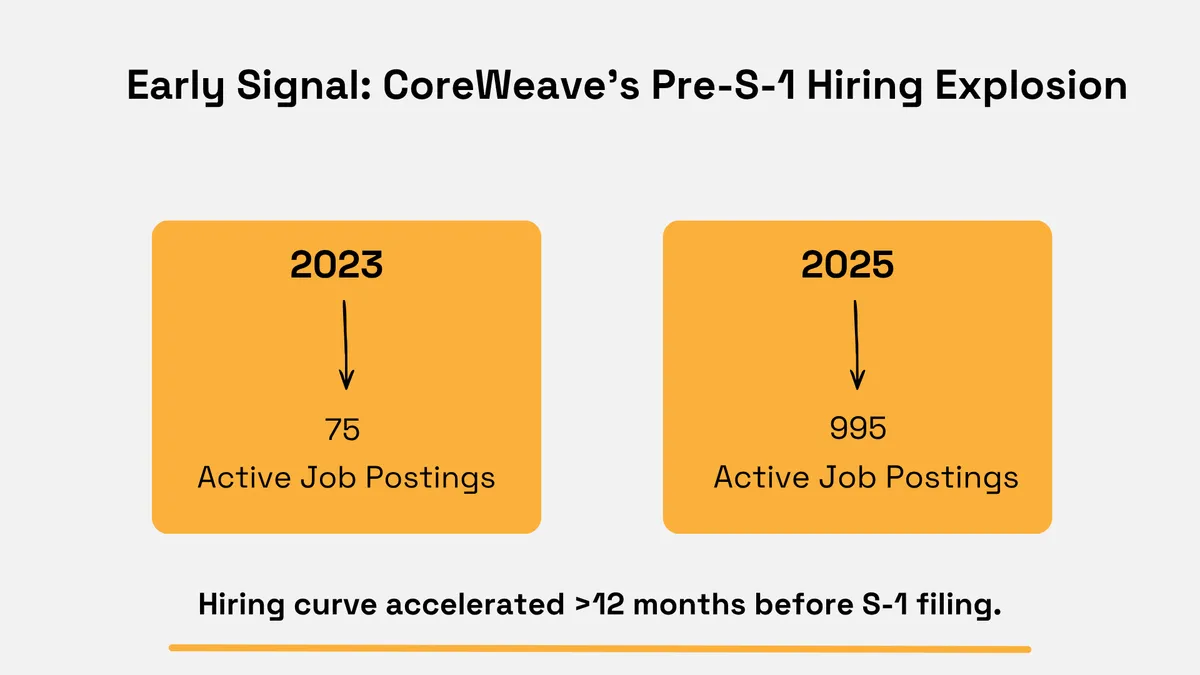
Illustration: Veridion / Data: PR Newswire
The company's active job postings climbed from 75 in 2023 to 1,336 by 2026.
That hiring curve was already bending upward more than 12 months before CoreWeave filed its S-1, the paperwork a company submits to go public.
The mechanism behind this is simple. Firmographic data picks up a decision the moment it happens. A press release just confirms what already happened.
A leading indicator is something happening inside a company before they make their move. A lagging indicator is the announcement that tells everyone it already happened.
If a competitor is only watching for announcements, they are likely a step behind.
Before a company enters a new market, several things start happening at once.
Someone's talking to brokers about real estate. New job listings are coming out. Legal teams start registering new business entities in that market.
Catching those moves means going beyond what shows up in a press release, and even official labor data only gets partway there.
The federal Job Openings and Labor Turnover Survey tracks hiring nationwide, but it’s about five weeks behind the month it covers.
By the time it publishes, the chance of spotting a competitor's next move has often passed.
Private data providers close that gap. Aspen Tech Labs, a web data company operating since 2008, runs a jobs feed called JobsIndex.
The feed pulls postings straight from company career sites rather than job boards. JobsIndex covers more than 11 million live job postings across 300,000 employer career sites. The listings refresh daily instead of monthly.
That kind of speed changes how a team plans its moves. The real-time visibility here gives a strategy team room to actually act instead of just react.
A week's head start means sales can rebrief key accounts, product can plan a response, and finance can start modeling the impact.
When the competitor's announcement finally lands, it's not news anymore. It just confirms what the team already knew.
Teams stuck waiting on press releases end up protecting market share instead of getting ahead. The delay keeps adding up, quarter after quarter.
Reading these signals used to take specialist analysts with pricey private data feeds but not anymore. Most of that same information is now out in the open on the web.
With the right tools in place, any team can do this work themselves. However, some signals carry more weight than others. A new office or facility is among the strongest.
New Location Openings: Reading Geographic Market Entry
A new location says more than most other moves. Signing a lease means spending money, going through legal review, and staying tied to that place for years.
No other change shows this level of commitment.
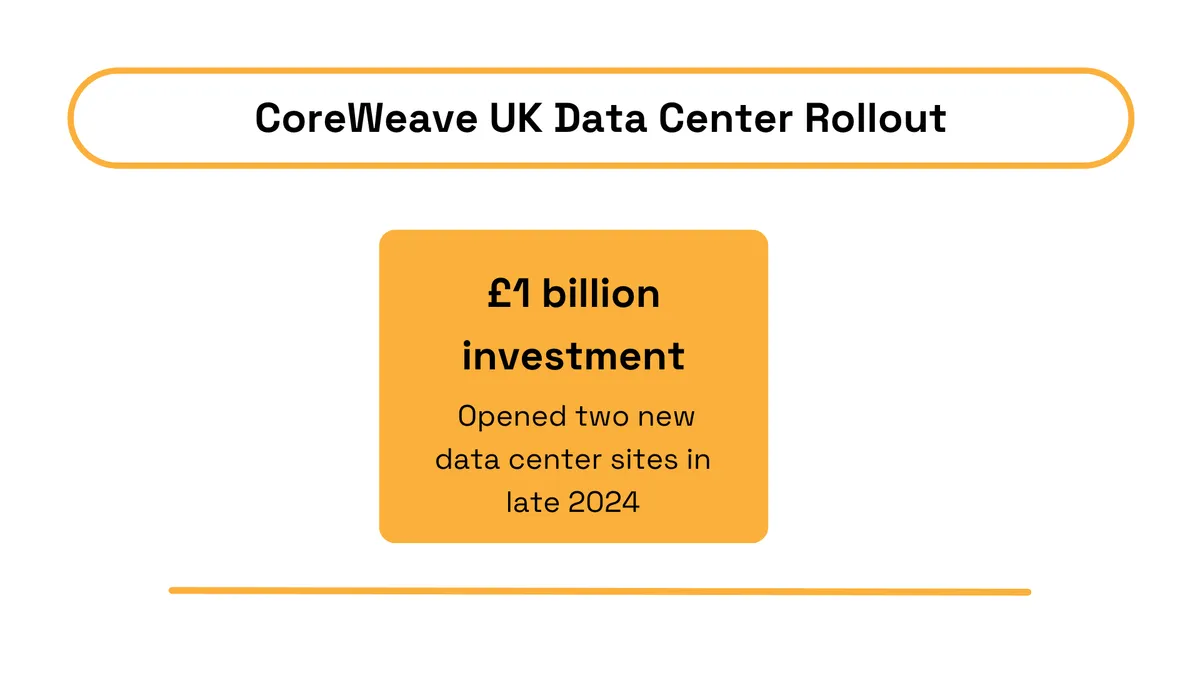
CoreWeave's UK data center rollout is a good example of this. The AI cloud provider opened two UK sites in late 2024, backed by a £1 billion investment.
The Crawley site had been running for months, and London Docklands for weeks, before CoreWeave said a word publicly.
Anyone tracking building permits, hiring activity, or local business registrations in those areas would have spotted it ahead of competitors who were only checking the news.
One new location on its own doesn't always mean expansion. It could just be a headquarters move, or a smaller office bringing existing staff together in one place.
The picture only gets clearer when that location shows up alongside hiring and product signals, too.
So how do you tell real market entry from something else? Three quick checks help separate real market entry from others:
Check | What it looks at |
|---|---|
New market | Is this a market the company hasn't served before? |
Hire type | Are the first people hired there in customer-facing sales roles? |
Location purpose | Does the site sit near target customers, or near existing internal operations? |
The clearest signal comes from matching location data with hiring patterns. A new office plus local sales hires usually means real market entry.
That same office paired with engineering hires instead might just be a research outpost. But this only works if the company data behind it is accurate and up to date.
A structured company data layer pulls together location, headcount, and other company changes across every competitor. Without that, these patterns are hard to rely on.
Different location moves take different amounts of time to build.
A satellite office might come together in a few months. A full data center or fulfillment center, though, can take a year to build.
Public records tell the story long before a site opens. Permits, groundbreaking notices, and construction contracts all show up months in advance.
Municipal filings are usually the earliest visible signal. Zoning approvals and utility applications often surface six to twelve months before a facility goes live.
That early window matters. Sales teams who watch these filings can reach buyers before the competition even knows a project exists.
It also opens the door to local supplier contracts.
Companies tracking this data reach those contracts early. The suppliers already working in that area often lose the business without ever knowing a new project was coming.
Once a market entry signal is confirmed, a few things follow:
- Region-specific messaging gets built
- Local sales teams get alerted
- Territory plans get adjusted
Teams that spot the signal early can plan ahead.
However, location isn't the only place these signals show up. Hiring tells its own version of the same story.
Hiring Surges: Reading Functional and Regional Expansion
Hiring is one of the earliest, most reliable signs a company is expanding. Every open job costs money. Companies don't approve a role unless they truly need it.
The shape of the hiring matters as much as the number of open roles.
Hiring Pattern | What It Usually Means |
|---|---|
Sales hires concentrated in one region | A go-to-market push into that territory |
Engineering hires around a specific tech stack | A new product line taking shape |
Sudden spike in customer success roles | The company is scaling and support demand has outgrown the current team |
Security or compliance hires in a new region | Entry into a regulated market |
Finance and legal hires in a specific market | An office opening in that same market |
CoreWeave's hiring numbers say more once you look past the totals. Revelio Labs tracked monthly new job postings rising from 40 in 2023 to 425 in 2026.
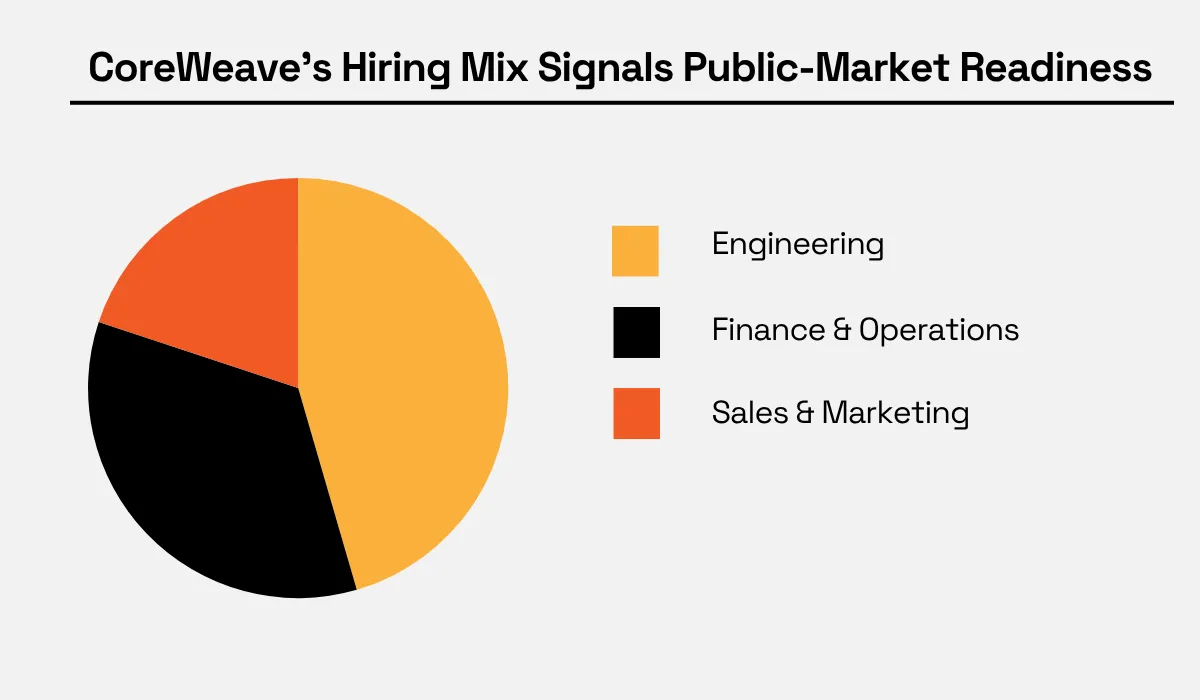
Illustration: Veridion / Data: Revelio Labs
The kinds of roles being hired told the same thing. Engineering made up the biggest share, at 45.5%, as the company scaled its cloud platform.
Finance and operations followed at 34.6%, the kind of hiring that usually comes with preparing for public-market reporting.
Two other patterns showed up in the same data. The workforce grew 290.8% between 2023 and 2026, and Sweden emerged as the fastest-growing location.
Rapid headcount growth and a hiring surge near renewable-powered data centers pointed to CoreWeave's AI infrastructure buildout, well before any earnings call confirmed it.
A competitive intelligence team reading those numbers could see the strategy taking shape ahead of everyone else.
Reading these patterns well takes more than checking in once, though. A single check only shows what's happening right now.
To catch how things shift over time, a company needs a steady feed tracking things like:
- What kinds of roles are being hired
- How senior those roles are
- Where the hiring is concentrated
A market intelligence data layer that refreshes weekly picks up these changes as they happen.
Hiring isn't the only place a company signals its next move. Sometimes, the clearest sign shows up in what a company decides to sell.
Product Portfolio Changes: Reading Strategic Repositioning
New products, pricing tiers, or certifications also show a company's next move.
If a company is starting to target bigger, higher-paying customers, that shows up in its product lineup first.
If a company is about to enter a regulated industry like healthcare or finance, it usually needs a specific certification first, like HIPAA compliance or SOC 2.
Spotting that certification early is often the first sign of where the company is headed.
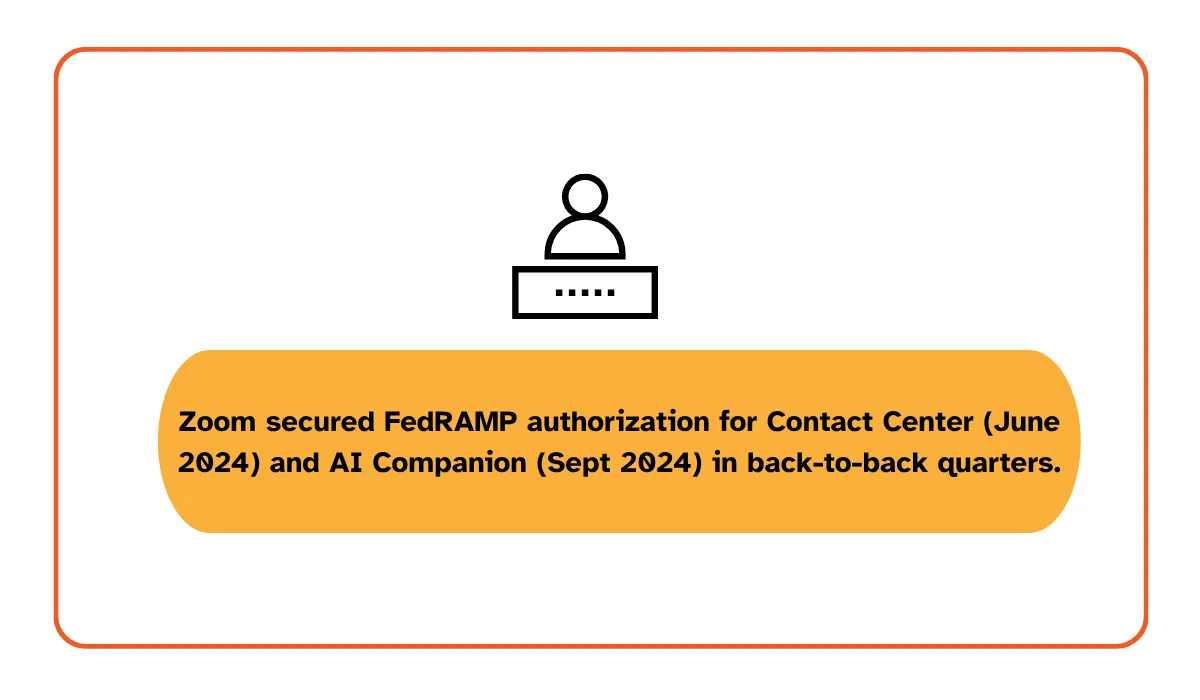
Zoom's expansion into US federal contracts illustrates the certification pattern. The video conferencing company added Zoom Contact Center to its FedRAMP-authorized product line in June 2024.
Zoom AI Companion followed a few months later, receiving its own FedRAMP authorization in September 2024.
Each certification opened the door to a different part of the federal market.
Taken together, the sequence showed Zoom doubling on government customers well before competitors caught on.
A new product on its own doesn't tell the whole story. It could mean a real strategic shift, but it could also just be a defensive move, or even simple portfolio cleanup.
The picture gets clearer when that product launch is paired with hiring and location data.
Take a new high-end product, for example. If the company also hires a bunch of salespeople, that's a real sign they're serious about moving upmarket.
Without those sales hires, that same product launch might just be for show. It can be a way to look competitive without actually committing.
Also, regulated markets don't let just anyone in. So when a vendor earns a new certification, it means they've made a real commitment to that market.
A competitor's authorization posts to the public FedRAMP marketplace weeks before their sales team starts pitching federal accounts.
It’s a real opening for a rival's government sales team to prepare early.
The same logic applies outside federal work, too.
A vendor adding a healthcare data certification is signaling a healthcare push. A European data-residency certification points to a move into the European market.
Product listings tell a story even when something disappears. A specific product or plan dropping out often means the company is pulling out.
Price changes are worth watching too. A hike on a basic tier, especially alongside a new premium tier, usually points to a company doing better.
A discount, on the other hand, often means the opposite. Both show up on public pricing pages, simple to check but easy to forget about.
That's really the challenge with all of these signals. They are out there, but scattered across too many places to track by hand.
From Manual Monitoring to an Always-On Radar
Traditional competitor monitoring means checking press releases, news alerts, job boards, product pages, and more by hand.
They are all spread across different systems, and keeping track of everything consistently is challenging.
Manual checks also miss the signals that don't make headlines.
A new certification on a marketplace won't trigger a news alert. A subsidiary opening an office won't show up in a Google Alert for the parent company.
And even when alerts do come through, they're not sorted by what actually matters. A team can get lost amidst minor updates and miss the one shift that counts.
A single data layer solves both problems at once.
Veridion, a company data platform for B2B teams, refreshes company profiles weekly, tracking location, headcount, and product changes all in one place.
Strategy teams get one live view of the market instead of piecing together fragments from scattered news feeds.
That data shows up on a dashboard as changes happen, so a team isn't left reconstructing a competitor's moves after the fact.
With everything in one place, patterns become easier to spot, too.
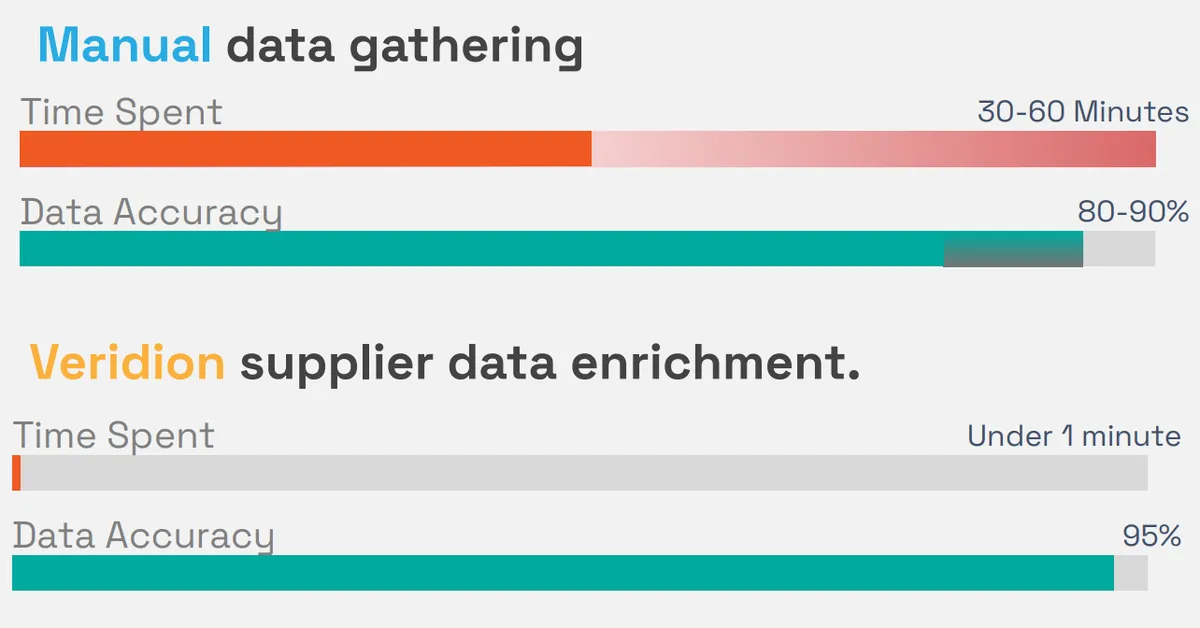
Source: Veridion
Weekly refreshes catch fast-moving shifts. Monthly and quarterly rollups highlight slow patterns that a single alert would miss.
LinkedIn's Economic Graph is a good example of this at a larger scale. It publishes hiring and workforce reports that reveal strategic patterns across whole regions.
Applying that same approach to a specific set of competitors gives a team a live, ongoing view of where those companies are investing.
Setting this up well takes a bit of structure. A good review process rests on three things.
Meaningful thresholds | Alerts fire only on changes that matter, like a headcount jump past a certain percentage or a new location in a market being tracked. |
|---|---|
Tagged alerts | Each alert is tagged by account and signal type, so it's clear what changed and where. |
Escalation rule | If two different signal types fire on the same account within a short window, that's worth escalating right away. |
The whole point is to keep the dashboard clean. If it's cluttered with low-priority alerts, people stop paying attention to it. That's why good filters matter as much as good data.
Get this right, and competitive intelligence becomes something teams can rely on. Teams stop chasing news alerts and start acting the moment something real happens.
Conclusion
Every competitor gives away clues before anything new is going to happen. A new office, a hiring spree, or a fresh certification are all hints towards new decisions.
The teams that catch these signals stop reading press releases and start reading the market itself. They're no longer reacting to news. They're already three steps ahead of it.
None of this data is locked away, either. It's sitting out in the open, waiting for someone to actually look.
Articles
Discuss how these trends affect your organization.
Our analysts are available for a short call. Bring a specific question and we will ground it in the data.
Insights
Keep reading
More analysis, research, and outcomes grounded in live company intelligence.
Feeding Clean B2B Firmographic Data into LLMs to Prevent AI Hallucinations in Market Intelligence
Tired of AI hallucinations in market intelligence? Learn how feeding clean B2B data into LLMs prevents inaccurate insights.
7 Types of Competitive Intelligence You Need to Know About
Learn about the 7 key types of competitive intelligence and how they help businesses gain insights and stay ahead of the competition.
Competitive Intelligence: Importance, Components, and Collection Methods
Explore competitive intelligence: its importance, main components, and proven methods for collecting actionable data.