Insights / Articles
How to Find Local B2B Suppliers in Mexico Using AI Taxonomies
Struggling to find reliable B2B suppliers in Mexico? Uncover how AI taxonomies can revolutionize your search for how to find suppliers Mexico.

- A supplier taxonomy turns a vague sourcing request into precise, searchable criteria.
- Mexico's manufacturing strengths cluster by region, making location a strong sourcing signal.
- AI can find, score, and monitor Mexican suppliers as one continuous workflow.
You need a supplier in Mexico, and a basic search turns up thousands of names.
So, how do you choose the right one? Or, more importantly, how do you choose the right one quickly, with minimal manual effort?
Mexico is central to the nearshoring shift, and new suppliers join every week. Manual searches cannot keep up with that pace, so AI now does the heavy lifting.
The right method turns that big list into a shortlist you can trust. The first step is giving your search some structure.
1. Build an AI Supplier Taxonomy
A taxonomy is a structured map of how an industry organizes its products and services. It gives your search a shared language for exactly what you need.
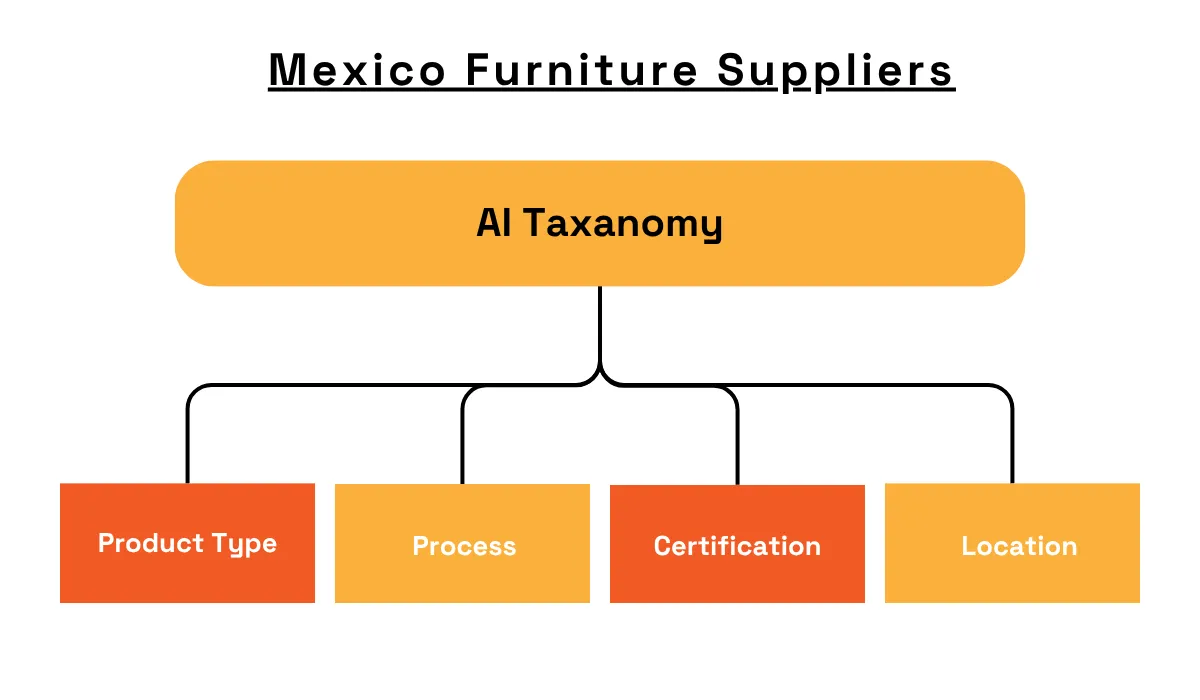
Most buyers start with a broad phrase like "Mexico furniture suppliers." A search engine picks up on that and pulls in results from everywhere.
Source: Veridion
It hands back retailers, blogs, and brokers right alongside the real ones you're after.
The problem is this: the product goes by many names across a market. A metal-stamping shop may list itself as presswork, tooling, or metal forming.
A taxonomy maps those variants to one class, so none slips past you.
Without a taxonomy, sourcing turns into guesswork. You skim dozens of tabs, compare mismatched profiles, and still miss strong candidates.
A taxonomy fixes that by breaking your requirement into searchable dimensions. You separate product type, material, process, certification, capacity, and location.
Each dimension becomes a filter the AI can apply on its own.
Say you're looking for a molded-foam seating supplier near Monterrey. It needs to be BIFMA safety certified and able to make ten thousand units a month.
Two existing systems already handle this globally.
UNSPSC stands for the United Nations Standard Products and Services Code. The system sorts millions of items into numbered categories, spanning four levels from broad to commodity.
NAICS, or the North American Industry Classification System, groups businesses by what they mainly do. For a deeper look, this breakdown of product taxonomies covers the rest.
The problem gets worse when you're sourcing across a language barrier. Many Mexican suppliers describe themselves in Spanish, using local trade terms.
A code-based taxonomy skips past the wording and matches suppliers on what they make.
The payoff also carries beyond one search. Your criteria travel to the next category, so you're not starting from scratch each time.
The gain grows with scale. A category team sourcing dozens of parts at once uses one shared taxonomy across all of them.
The approach holds for any category you source. Describe what you need in structured terms, and the taxonomy narrows the list fast.
Once that's set, the next thing to add is location.
2. Map Mexico's Manufacturing Clusters
Mexico's manufacturing does not spread evenly. Each region has its own specialty. Knowing that early saves you from chasing suppliers in the wrong state.
Proximity to the U.S. shapes the pattern first. Over the years, supply chains, industrial parks, and local skills build on top of that.
Foreign investment then deepens each cluster even more.
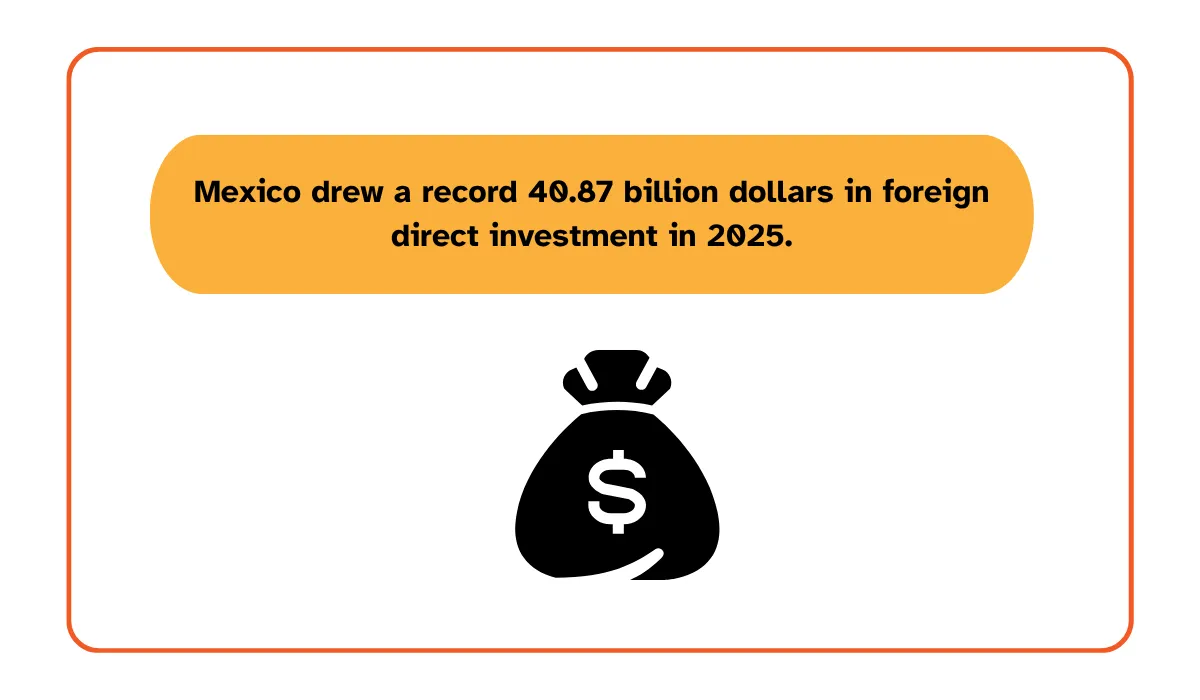
Illustration: Veridion / Data: Mexico Project Hubs
Location tells you more than industry type. It also hints at road and rail access, port distance, and power reliability. Road access alone can affect lead times as much as the factory does.
Trade rules pull in the same direction. The USMCA pact links the United States, Mexico, and Canada under one deal. It lets most goods cross the northern border with low friction.
For example, the Bajío is a manufacturing corridor in central Mexico, spanning Guanajuato, Querétaro, and Aguascalientes. Global carmakers like GM, Toyota, and Volkswagen anchor the region.
Hundreds of parts makers cluster around those plants, supplying stampings, cable assemblies, and molded components. A supplier base that dense also means backups exist if one plant is full.
Querétaro has a second specialty: aerospace. Dozens of certified plants operate there, including Safran and Bombardier.
Skilled labor builds up wherever an industry matures. Querétaro produces aerospace engineers, while automotive technicians come out of the Bajío in numbers.
Hiring depth like that keeps quality steady as you scale up.
Policy can redraw this map fast, too. Tariff changes and trade reviews can favor one corridor over another.
It pays to check the current landscape before you commit to a region.
Knowing the right region narrows your search before it even starts. The next step is turning that map into a real, live list of suppliers.
3. Extract Supplier Intelligence with AI
A shortlist means little until you confirm each supplier is real and capable.
AI turns scattered web data into structured supplier intelligence you can act on. Extraction is where a list turns into a set of decisions.
Manual checks stall here for a simple reason.
A buyer can read only a few websites, registries, and directories in a week. Many Mexican suppliers keep basic websites, and some accept work beyond their capacity.
Doing that check by hand is slow and easy to get wrong.
AI closes the gap by reading far more sources than any team could.
No wonder 73% of procurement professionals report AI use for procurement tasks.
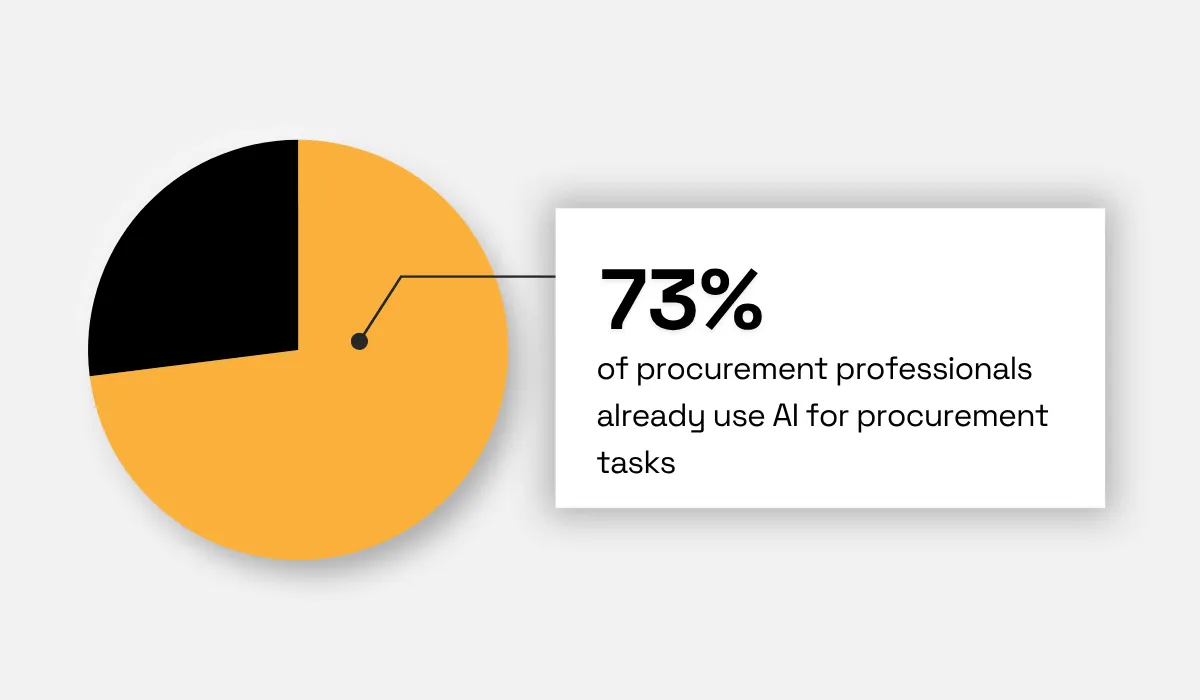
Illustration: Veridion / Data: Precedence Research
And why wouldn’t they? Experienced buyers felt the pain of relying on the traditional, manual processes long before the tools arrived.
After all, manual supplier checks alone take up so much of your valuable time.
This is where platforms like Veridion save the day.
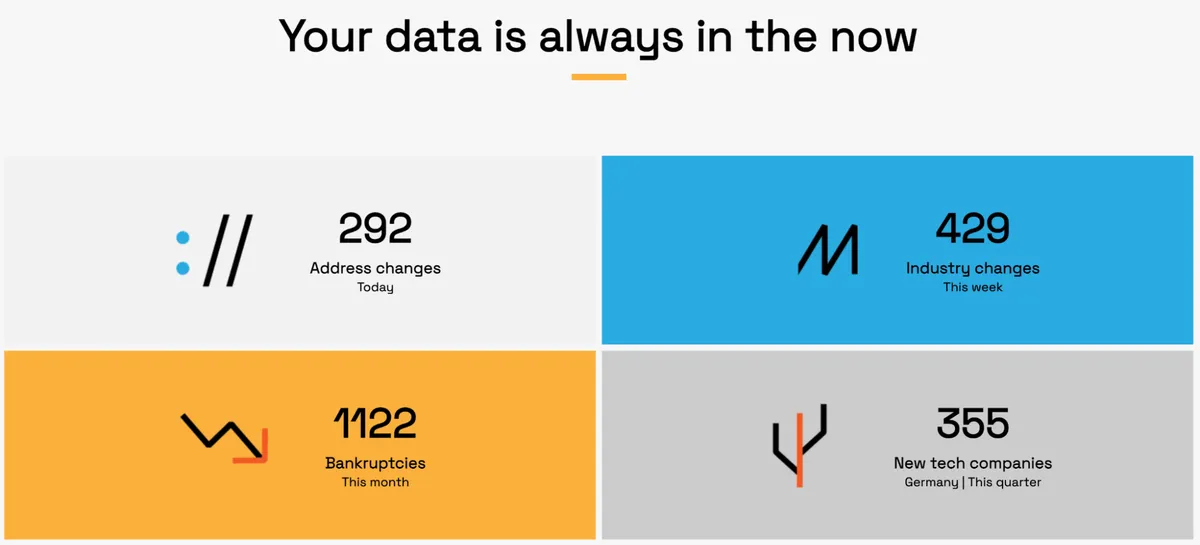
Veridion is an AI-powered business intelligence platform that scans the web and public records to track 693M companies across 250 countries.
Each profile refreshes as new signals arrive.
Source: Veridion
For each supplier, you can pull location, size, certifications, product lines, ESG signals, and so much more.
As such, Veridion doesn’t just support supplier sourcing itself, but also helps you monitor them throughout your partner lifecycle:
Find Suppliers | Describe what you need in plain language and find it in seconds. |
|---|---|
Verify Suppliers | Confirm each business is real and distinct through entity resolution. |
Monitor suppliers | Keep your eye on your suppliers’ performance and get notified when a risk emerges |
With such clean, reliable, deep data at your fingertips, finding the right partner becomes a breeze.
4. Create AI Supplier Scoring
Not every verified supplier fits your priorities. AI scoring ranks them against the factors you care about most. A single score makes a long list easy to compare at a glance.
Scoring rolls several factors into one number. You pick what matters most, whether price, lead time, certifications, financial health, ESG standing, or distance.
Now, you can give these factors, along with your shortlist, to AI, and the system does the rest.
You can then “talk” to the tool and ask it to refine the scorecard as needed.
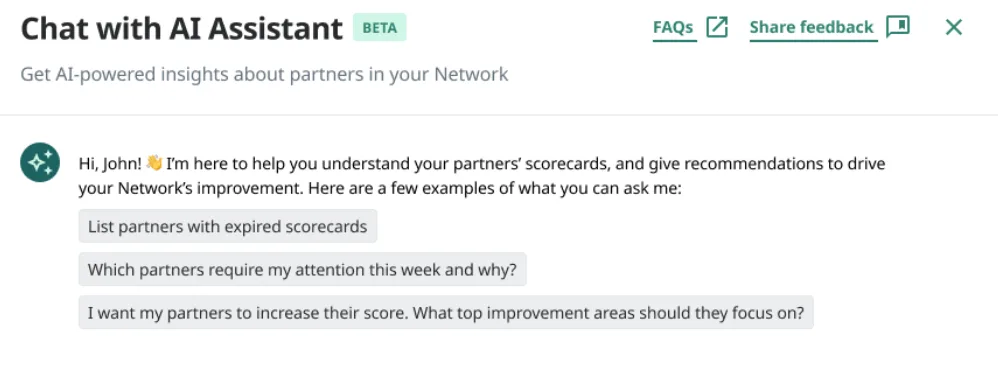
Source: EvoVadis
You can also set hard limits, not just preferences. Require a certification, and anyone who lacks it gets dropped. The score then ranks only the suppliers who clear that bar.
The system scores every candidate on each factor and ranks the field. A good score also shows its work. You can see which factors lifted the number and which pulled it down.
Scores should not sit frozen after the first pass. As fresh data arrives, a supplier's rank can rise or fall. Don't lean too hard on price alone. The cheapest supplier can end up costing more once delays and defects show up.
A balanced score protects total value, not just a low sticker price.
Scores help guide your decision, but they don't replace your judgment.
Treat the ranking as a quick first pass, then add the context that data can't capture. Once you have a ranked shortlist, AI can help start the conversation with suppliers.
5. Initiate Autonomous Outreach
Once your top matches are set, you can now use AI to draft and send the first requests.
Autonomous outreach turns a static list into a live conversation. It also gets your team off the repetitive first-contact grind.
Enterprise teams juggle many suppliers at the same time. Writing every request by hand slows the whole process down. AI agents draft tailored messages, send them out, then keep the replies organized as they come in.
Two request types lead most first contacts.
An RFI, or request for information, gathers basic details about capabilities. An RFQ goes further and asks for firm pricing on the items you've already defined.
Procurement leaders have embraced this shift at scale.
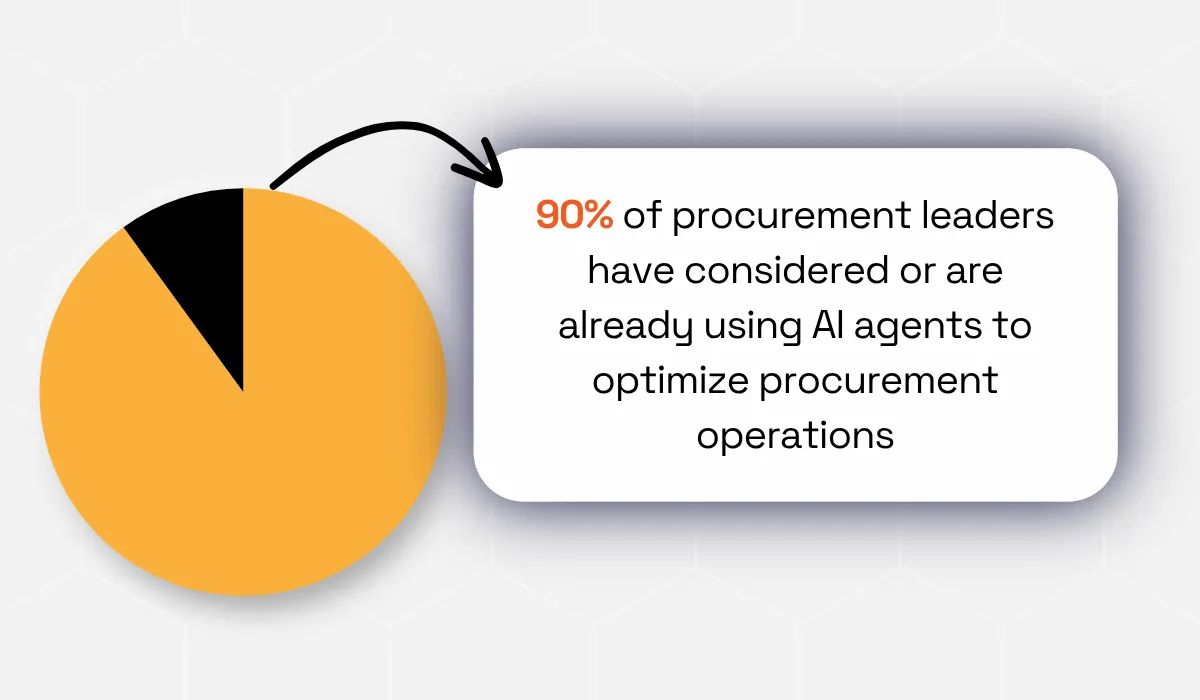
In a 2025 ProcureCon survey, 90% of procurement leaders said they were already considering or using AI agents for such tasks. Manual outreach used to eat up hours a day.
Language handling is a quiet advantage here. The agent can write each request in the supplier's preferred language. A Spanish-language RFI often gets a quicker and friendlier reply from a local team.
Moreover, an AI agent can space out follow-ups and nudge quiet suppliers at the right intervals. A steady rhythm of polite reminders lifts your reply rate without extra work.
The system then logs every response as it comes in and keeps all quotes together in one view.
Structured requests also make replies easier to compare. When every RFQ asks for the same fields, quotes line up cleanly. You avoid decoding ten different formats.
A human still owns the final call on price and terms. Let the agent handle the volume work, and save your judgment for the actual negotiation.
Once outreach opens the relationship, monitoring is what keeps it healthy.
6. Build an AI Supplier Monitoring System
A monitoring system keeps your list current as the market moves. It also protects the sourcing work you already did.
Suppliers change constantly in a fast-growing market. New companies appear, others change ownership, and some hit financial trouble.
Staying ahead of those shifts protects your supply and your budget.
Continuous monitoring often goes by the name “third-party risk management.”
The approach watches your suppliers for changes so problems never catch you off guard. It fits right on top of the discovery steps from earlier.
Good monitoring follows a few signals. It tracks:
- Ownership shifts
- Financial warning signs
- Certification lapses
- Negative news
Each signal can move a supplier up or down your risk list.
The cost of skipping this step shows up late. A supplier can pass every check, then hit trouble mid-contract. Early warning gives you time to qualify a backup before a line stops.
Public signals often move before official records do.
A plant expansion, a layoff, or a recall can reshape supplier risk overnight. An AI watch reads that stream daily and flags what matters to you.
Rules shift as often as suppliers do. New trade measures, tariffs, or standards can change who you may buy from.
A monitoring tool that tracks these updates keeps your sourcing compliant.
Set alert thresholds so the system flags only what matters. Too many pings train your team to ignore them. A tuned monitor surfaces the few changes worth a response.
Say a new Querétaro supplier comes online with the exact capacity you've been missing. Your system alerts you early, while the opportunity is still open.
A steady supplier management routine keeps that intelligence flowing.
Monitoring also feeds your next search. Fresh entrants and rising performers become tomorrow's shortlist candidates. What started as a one-off project becomes a pipeline that runs itself.
Set up that watch once, and it runs in the background. Your Mexican supplier base then stays current instead of going stale.
Conclusion
The suppliers who show up highest in these searches are investing in visibility now with cleaner data, listed certifications, and responsive contacts.
As more buyers search this way, the gap between well-documented suppliers and hidden ones will only widen.
Sourcing in Mexico won't just get faster; it will start rewarding suppliers who make themselves easy to find.
The real edge goes to buyers who build that structured, data-first habit early with the right platform behind them.
Articles
Discuss how these trends affect your organization.
Our analysts are available for a short call. Bring a specific question and we will ground it in the data.
Insights
Keep reading
More analysis, research, and outcomes grounded in live company intelligence.
Supplier Management — The Ultimate Guide
Discover the ultimate guide to supplier management, essential for improving procurement processes and building strong vendor relationships.
Using Location Intelligence to Spot Regional and Geopolitical Threats
Uncover hidden geopolitical threats and identify emerging market risks with cutting-edge location intelligence. Stay ahead of global instability.
5 Trends Shaping the Future of Market Intelligence
Want to future-proof your business strategy? Explore the top trends defining the future of market intelligence.